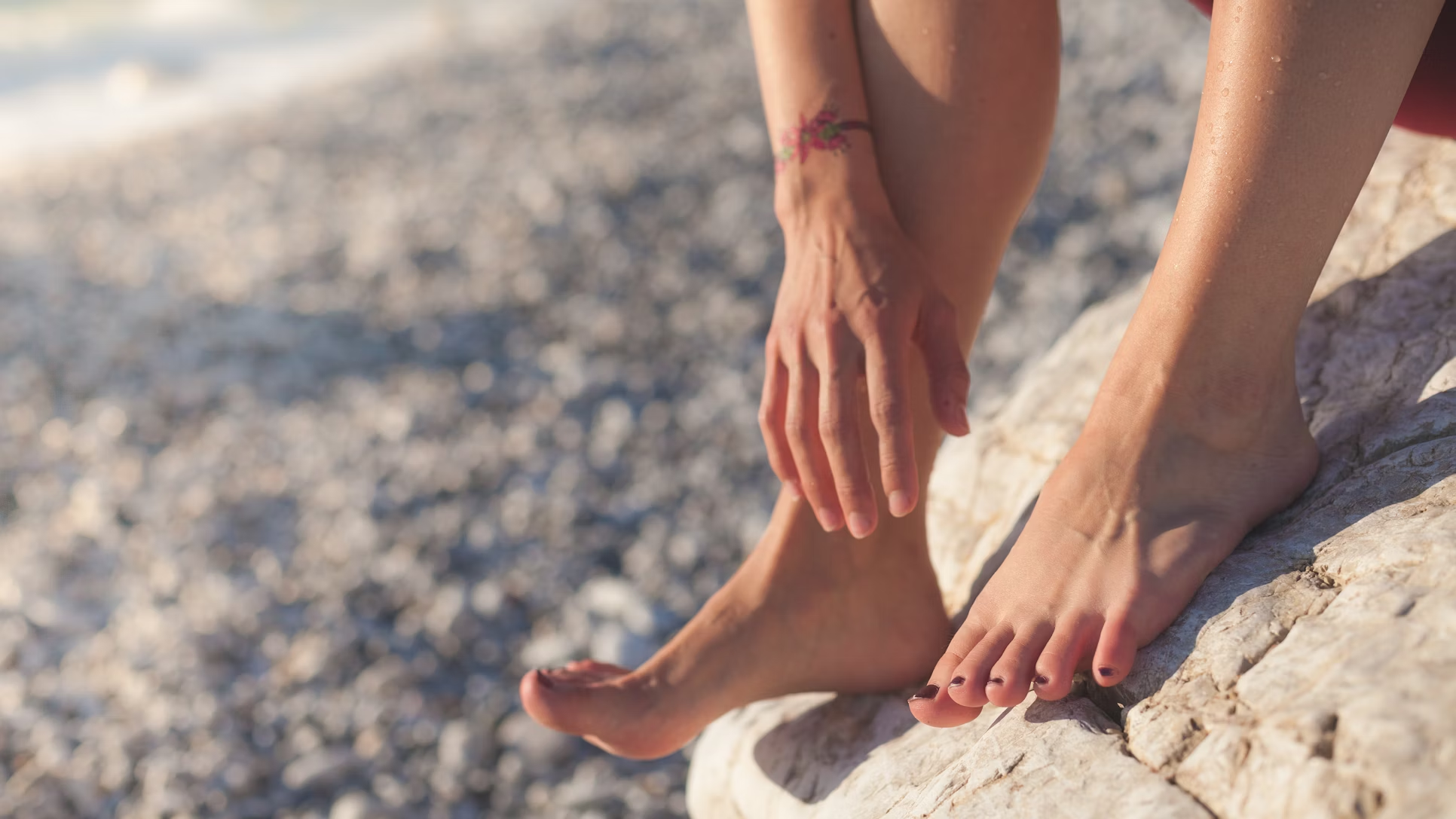
Foot Reflexology and Pressure Points: Benefits and Techniques
Foot reflexology is a soothing and therapeutic practice that has its roots in traditional Chinese medicine. By applying pressure to specific points on the feet, this alternative therapy is believed to help balance the body, relieve tension, and improve overall well-being. In this article, you’ll discover how foot reflexology works, its numerous benefits, and practical tips to integrate it into your daily wellness routine. Whether you’re new to reflexology or seeking deeper insights, this guide will help you uncover the healing power of your feet.
How Does Foot Reflexology Work?
Foot reflexology involves applying pressure to specific points on the soles of the feet. These points correspond to different parts of the body and are believed to help restore balance and energy flow along meridians. According to traditional Chinese medicine, the feet act as a microcosm of the body, connecting to vital systems and organs through energy lines. When you stimulate pressure points on the soles, it activates pathways that promote relaxation, enhance circulation, and alleviate discomfort. Reflexology isn’t just about relaxation—it’s a powerful complementary therapy with holistic health benefits.
The Benefits of Foot Reflexology
Can Reflexology Reduce Stress and Anxiety?
Many people turn to reflexology for its ability to relieve stress and promote relaxation. A randomized controlled trial found that a foot reflexology massage can help reduce anxiety levels in patients undergoing intensive care treatments. By targeting specific points on the feet, reflexology may help calm the nervous system and lower cortisol levels, promoting a sense of calm.
Does Reflexology Help with Pain Management?
Reflexology is commonly used to manage pain, from back pain to chronic ailments. Research suggests that applying pressure to specific points on the feet may reduce the brain’s perception of pain. For example, reflexology has been shown to alleviate post-surgical discomfort and support individuals dealing with chronic pain conditions.
Can Reflexology Improve Sleep Quality?
Trouble sleeping? Reflexology may help. By stimulating reflex points related to the nervous system, reflexology can enhance relaxation and reduce tension, making it easier to fall asleep. Many people report improved sleep patterns after regular sessions, and studies suggest this could be linked to reduced stress and improved circulation.
How Reflexology Supports Digestive Health
By targeting reflex points connected to digestive organs, foot reflexology may help improve digestion and alleviate issues such as bloating or constipation. While research is still ongoing, many practitioners believe that stimulating these points can help regulate digestion naturally.
Understanding the Pressure Points on the Feet
What Are Pressure Points?
Pressure points are specific areas on the soles of the feet that correspond to different parts of the body. For example, the tips of your toes are linked to the head, while the arch connects to digestive organs. A feet pressure points chart can help you identify these areas for targeted relief.
How Does Reflexology Compare with Massage?
While a general foot massage focuses on relieving tension in the muscles, reflexology is more precise, targeting specific points along energy lines. Reflexology works on the deeper energy systems of the body, while massage is more focused on physical relaxation.

Reflexology Techniques for Beginners
How to Stimulate Pressure Points on Your Feet
Reflexology doesn’t require any special tools—just your hands and some basic knowledge. Here are simple steps to get started:
- Locate Key Points: Use a feet pressure points chart to identify areas that correspond to the part of the body you want to target.
- Apply Sustained Pressure: Gently press and massage the area in circular motions.
- Relax and Breathe: Incorporate deep breathing to enhance the effects of the session.
Can Reflexology Help with Back Pain?
Yes! Reflexology is often used to address back pain by stimulating reflex points linked to the spine. Applying pressure to these points may help alleviate tension in the back and improve mobility over time.
The Role of Reflexology in Traditional Chinese Medicine
In TCM (traditional Chinese medicine), reflexology is seen as a way to balance Qi (life energy). The effects of reflexology are believed to harmonize the body’s internal systems, making it a valuable tool in holistic health practices. Reflexology also pairs well with acupuncture and other complementary therapies to create a comprehensive wellness routine.
Scientific Insights: Does Reflexology Work?
While reflexology has deep roots in tradition, modern research is uncovering its potential benefits. A randomized controlled trial found that reflexology could help reduce blood pressure and relieve pain. However, skeptics argue there is little scientific evidence supporting all claims. That said, many studies, such as those by academic research institutions, highlight its effectiveness as a type of alternative therapy.
Safety and Precautions for Reflexology
Reflexology is a noninvasive complementary therapy, but it’s essential to use quality techniques and consult professionals when needed. Certain individuals, such as those with foot injuries or specific health conditions, should seek advice before trying reflexology. To learn more about precautions, visit Acupressure Safety Guidelines.
Incorporating Reflexology Into Your Routine
Daily Practices for Foot Reflexology
- Start with a quick foot massage each morning to stimulate circulation.
- Use a reflexology ball or roller to target sore areas.
- Pair reflexology with relaxing activities, like meditation or yoga, for enhanced benefits.
What to Expect During a Reflexology Session
In a professional session, a massage therapist will apply pressure to reflex points using specific massage techniques. Sessions typically last 30-60 minutes and may focus on areas of discomfort, such as the soles of the feet.
Summary: Why Foot Reflexology Is Worth Trying
- Reduce Stress: Reflexology promotes relaxation and may help with anxiety.
- Alleviate Pain: It’s effective for managing chronic pain and post-surgical discomfort.
- Enhance Sleep: Regular sessions improve sleep quality and reduce tension.
- Support Digestive Health: Stimulating reflex points may regulate digestion.
- Holistic Benefits: Reflexology harmonizes energy flow, supporting overall well-being.
For more insights, check out related topics on acupressure and reflexology.
Author

Free Mobile App
Find Pressure Points on the Go
Interactive 3D body map with 100+ acupressure points, step-by-step guides, and personalized routines.
Download Free App →