Acupressure for Post-Surgery Recovery: Pressure Points That Reduce Pain and Speed Healing (2026)
If you are facing surgery or recovering from one, the pain management conversation usually goes straight to medication. And while medication has its place, there is growing research showing that acupressure can meaningfully reduce postoperative pain, decrease nausea, lower anxiety, and potentially reduce the amount of pain medication you need during recovery. That matters, especially when opioid side effects and dependency concerns are a real part of the conversation.
I have been working with acupressure since 2017, and I have seen people use these techniques before, during, and after surgical procedures with results that consistently surprise their medical teams. Acupressure is not a replacement for medical care â let me be clear about that. But as a complementary tool, the evidence is strong enough that major hospitals and surgical centers are incorporating it into their postoperative protocols.
This guide covers the specific pressure points that research has validated for postoperative recovery, how to use them safely around surgical sites, and how to build a recovery protocol that supports your healing from day one.
What the Research Actually Shows
Multiple meta-analyses of randomized controlled trials have examined acupressure for postoperative outcomes, and the findings are remarkably consistent. Acupressure significantly reduces postoperative pain intensity compared to standard care alone. It decreases the incidence of postoperative nausea and vomiting â one of the most common and distressing complications after surgery. And it reduces anxiety levels both before and after procedures.
The most compelling aspect of this research is that the effects are not subtle. Studies report clinically meaningful reductions in pain scores, not just statistically significant ones. Patients using acupressure consistently report lower pain levels, request less pain medication, and report higher satisfaction with their recovery experience.
The mechanism involves several pathways. Acupressure stimulates the release of endorphins and enkephalins â the body’s natural painkillers. It activates the parasympathetic nervous system, which promotes healing and reduces the stress response that amplifies pain perception. And it improves local blood circulation, which supports tissue repair and reduces swelling at surgical sites.
What makes this particularly relevant for post-surgical recovery is that acupressure has essentially no side effects when performed correctly. Unlike additional medication, it does not interact with anesthesia, does not cause drowsiness or constipation, and does not carry dependency risks. It is something you can do yourself, in your hospital bed or at home, as often as you need.
The Best Pressure Points for Post-Surgery Recovery
Pericardium 6 (Neiguan) â The Anti-Nausea Point
Located on the inner forearm, about two inches above the wrist crease, between the two tendons. Pericardium 6 is the single most studied acupressure point in all of surgical research, and the evidence for its anti-nausea effects is strong enough that many anesthesiologists actively recommend it.
Postoperative nausea and vomiting affects 30 to 80 percent of surgical patients depending on the procedure and anesthesia type. It is miserable, it delays recovery, and it can create dangerous complications including aspiration and wound dehiscence from the physical strain of vomiting. Pericardium 6 has been demonstrated across dozens of randomized controlled trials to significantly reduce both the incidence and severity of postoperative nausea and vomiting.
This is why acupressure wristbands designed to stimulate this point are already widely used in surgical settings. But manual pressure is more effective than constant passive stimulation because you can adjust the intensity and duration based on your symptoms.
Press with your thumb or index finger, applying firm pressure for 2 to 3 minutes whenever nausea develops. Many people find that combining gentle circular motion with sustained pressure produces the strongest anti-nausea effect. You can press this point preventively before procedures and continue using it throughout recovery.
Large Intestine 4 (Hegu) â The Master Pain Point
Located in the web of flesh between the thumb and index finger, at the highest point of the muscle when the thumb and finger are brought together. Large Intestine 4 is the most important analgesic point in all of acupressure, and its pain-relieving effects have been extensively studied in surgical populations.
Research demonstrates that stimulating Large Intestine 4 modulates pain perception through multiple pathways. It triggers endorphin release, activates descending pain inhibition pathways in the central nervous system, and reduces inflammatory mediators at surgical sites. For postoperative pain specifically, studies show that patients who use this point report lower pain scores and require less opioid medication.
The practical advantage of this point for surgical recovery is that it is located on the hand â far from most surgical sites â making it safe and accessible regardless of where your surgery was performed. You can press it while lying in bed, sitting in a chair, or during physical therapy sessions.
Press deeply into the muscle for 1 to 2 minutes on each hand. The pressure should produce a strong, spreading ache. Pregnant women should avoid this point. For post-surgical pain, pressing this point every 2 to 3 hours during waking hours provides the most consistent relief.
Stomach 36 (Zusanli) â The Recovery Powerhouse
Located about four finger widths below the kneecap, one finger width lateral to the shinbone, in the tibialis anterior muscle. Stomach 36 is called “Three Mile Point” because it was traditionally used to restore energy and endurance â exactly what you need during surgical recovery.
In Chinese medicine, Stomach 36 is the primary point for strengthening the body’s overall energy and immune function. After surgery, your body is in a state of significant qi and blood depletion â the trauma of the procedure, blood loss, anesthesia effects, and the metabolic demands of tissue repair all drain your resources. Stomach 36 directly addresses this depletion by tonifying qi, strengthening the digestive system, and boosting the body’s recovery capacity.
Research supports these traditional applications. Studies show that stimulating Stomach 36 promotes gastrointestinal motility â critical after abdominal surgery when ileus (temporary paralysis of the intestines) is a common complication. It also supports immune function, which is essential for preventing postoperative infections, and it reduces fatigue, helping patients return to normal activity levels faster.
Press firmly for 2 to 3 minutes on each leg. This point responds well to strong pressure. For recovery purposes, press it three times daily â morning, midday, and evening â to maintain its tonifying effects.
Spleen 6 (Sanyinjiao) â The Healing Accelerator
Located about four finger widths above the inner ankle bone, just behind the shinbone. Spleen 6 is where three yin meridians converge â the Spleen, Liver, and Kidney channels â making it one of the most powerful points for nourishing blood, promoting tissue repair, and supporting the body’s healing capacity.
After surgery, blood stagnation around the surgical site is both a natural part of healing and a source of pain and delayed recovery. Spleen 6 moves blood stagnation while simultaneously nourishing new blood production, which accelerates wound healing and reduces the bruising and swelling that accompany surgical procedures. It also calms the mind and promotes sleep â critically important during recovery when pain and anxiety often disrupt rest.
This point also addresses the digestive disruption that commonly follows surgery. Anesthesia, pain medications, and reduced activity all slow the digestive system, causing constipation, bloating, and discomfort. Spleen 6 strengthens digestive function and promotes smooth bowel movements, helping resolve these issues without additional medication.
Press with moderate to firm pressure for 2 minutes on each leg. Pregnant women should avoid this point. For post-surgical recovery, combining this point with Stomach 36 creates a powerful recovery pair that addresses both energy depletion and tissue healing.
Heart 7 (Shenmen) â The Anxiety and Sleep Point
Located on the inner wrist crease, in the depression on the pinky side of the tendon. Heart 7 is called “Spirit Gate” because it powerfully calms the mind, reduces anxiety, and promotes restful sleep â three of the most common challenges during surgical recovery.
Pre-surgical anxiety is well documented to worsen postoperative outcomes. Higher anxiety levels before surgery correlate with more postoperative pain, more nausea, slower wound healing, and longer hospital stays. Heart 7 is one of the most effective acupressure points for calming anxiety, and research supports using it both before and after procedures.
During recovery, sleep disruption is often one of the biggest obstacles to healing. Pain, unfamiliar environments, medication effects, and worry all interfere with the deep restorative sleep your body needs to repair tissue. Heart 7 promotes the kind of calm, settled mental state that allows natural sleep to occur.
Press gently with your thumb for 1 to 2 minutes on each wrist. This point responds better to gentle, sustained pressure than to strong force. Press it before bed, whenever anxiety spikes, and before procedures or medical appointments that create nervousness.
Liver 3 (Taichong) â The Circulation and Detox Point
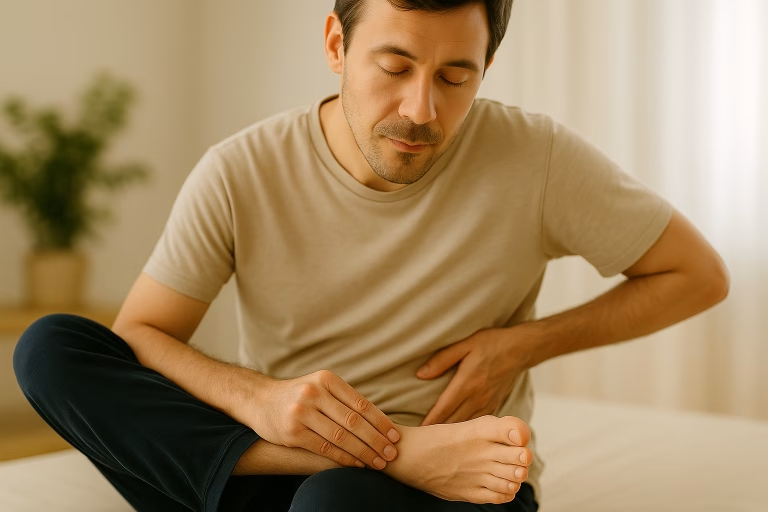
Located on the top of the foot, in the depression between the first and second metatarsal bones, about two finger widths back from the web of the toes. Liver 3 is called “Great Rushing” because it powerfully moves qi and blood throughout the body â essential after surgery when stagnation and restricted circulation are major issues.
Surgery and the subsequent immobility create significant blood stagnation, which manifests as swelling, bruising, and pain that exceeds what the tissue damage alone would cause. Liver 3 is the primary point for moving stagnant blood and qi, and in post-surgical recovery it helps reduce swelling, resolve bruising faster, and improve circulation to the surgical area.
This point also supports the liver’s detoxification function, which is relevant after surgery because your body needs to process anesthesia drugs, pain medications, and the metabolic byproducts of tissue repair. Supporting liver function helps clear these substances more efficiently, potentially reducing medication side effects and the general foggy feeling that persists after anesthesia.
Press firmly for 1 to 2 minutes on each foot. Combined with Large Intestine 4 on the hands, this creates the classic “Four Gates” combination â one of the most powerful acupressure protocols for moving qi and blood throughout the entire body.
The Post-Surgery Acupressure Protocol
Pre-Surgery Protocol (Day of Procedure)
Press Heart 7 for 2 minutes on each wrist to calm anxiety. Follow with Pericardium 6 for 2 minutes on each wrist to prevent nausea. Then press Large Intestine 4 for 1 minute on each hand to begin pain modulation. Total time is about 10 minutes, and you can do this in the pre-operative area while waiting.
Immediate Post-Surgery Protocol (Day 0-3)
Focus on Pericardium 6 for nausea whenever it occurs. Press Large Intestine 4 every 2 to 3 hours for pain management. Press Heart 7 before sleep and whenever anxiety or restlessness develops. These three points are all on the hands and wrists â easily accessible regardless of your surgical site and body position.
Active Recovery Protocol (Day 4+)
Add Stomach 36, Spleen 6, and Liver 3 to the protocol once you are able to reach your legs and feet. Press each point for 2 minutes bilaterally, twice daily. Continue the hand and wrist points as needed for pain, nausea, and anxiety. The full protocol takes about 20 minutes and can be integrated into your morning and evening routine.
Acupressure Mat Integration
Once your surgeon clears you for it â typically after surface wounds have closed and any drains have been removed â an acupressure mat becomes an extraordinary recovery tool. Lying on your Pranamat for 15 to 20 minutes daily stimulates dozens of acupressure points simultaneously across the back, promoting broad circulation improvement, muscle relaxation, and parasympathetic activation that accelerates healing.
I have been using my Pranamat daily since 2017, and during my own recovery from a minor procedure, the mat sessions were the single most effective non-pharmaceutical intervention for managing pain and restoring normal sleep patterns. The broad stimulation creates a level of systemic relaxation that individual point pressing cannot replicate. For more on the benefits of acupressure mats, check our detailed guide.
Position the mat so it contacts your upper and mid back â avoiding direct contact with the surgical site until fully healed. Many people find that even 10 minutes on the mat significantly reduces their need for pain medication during the recovery period.
Safety Considerations for Post-Surgical Acupressure
Never press directly on or near a surgical incision, wound, drain site, or area of active infection. Maintain at least a 3-inch clearance from any surgical site. The distal points in this protocol â on the hands, wrists, legs, and feet â are specifically chosen because they produce systemic effects without requiring proximity to the surgical area.
If you are on blood thinners, use moderate pressure rather than deep pressure to avoid bruising. If you have had lymph node removal, avoid pressing points on the affected limb as it may worsen lymphedema risk.
Always inform your surgical team that you plan to use acupressure during recovery. Most surgeons and anesthesiologists are familiar with the research and supportive of the practice. Some may even have specific recommendations based on your procedure.
If pressing any point causes sharp pain rather than the normal deep ache, stop immediately. Post-surgical bodies are more sensitive, and what would be appropriate pressure under normal circumstances may be too much during early recovery.
What to Expect During Recovery
Most people notice the anti-nausea effects of Pericardium 6 within minutes of pressing it â this is the most immediately apparent benefit. Pain reduction from Large Intestine 4 typically develops over 5 to 15 minutes and provides relief that lasts 1 to 3 hours before needing to repress.
The recovery-accelerating effects of Stomach 36, Spleen 6, and Liver 3 are cumulative â you will not feel a dramatic immediate shift, but over days of consistent use, you will notice improved energy levels, better digestive function, and reduced swelling compared to typical recovery timelines.
The anxiety and sleep benefits from Heart 7 are often noticeable from the first session. Many patients report that pressing this point before bed is the difference between lying awake in pain-driven anxiety and actually falling asleep naturally.
After 1 to 2 weeks of consistent use, most people report that their overall recovery feels noticeably smoother than expected â less pain, better sleep, more energy, and fewer medication side effects. This aligns with what the research predicts: acupressure does not eliminate post-surgical challenges, but it meaningfully reduces their severity and duration.
Combining Acupressure With Other Recovery Strategies
Acupressure works best when integrated into a comprehensive recovery approach rather than used in isolation. Combine it with deep breathing exercises â pressing Pericardium 6 while practicing slow diaphragmatic breathing doubles the anti-nausea and anxiety-reducing effects.
Follow your physical therapy protocol carefully, and press Stomach 36 before sessions to boost energy and reduce fatigue. Stay hydrated to support the circulation improvements that acupressure promotes. And prioritize sleep â pressing Heart 7 and lying on your Pranamat in the evening creates a powerful pre-sleep ritual that many people find more effective than sleep medication.
If you are dealing with stress and anxiety beyond what is typical for surgical recovery, our detailed guide on pressure points for stress covers additional points and protocols that complement the post-surgical approach.
The Bottom Line
Acupressure for post-surgical recovery is not alternative medicine folklore â it is an evidence-based complementary approach supported by multiple meta-analyses of randomized controlled trials. The six points in this protocol target the most common post-surgical challenges: pain, nausea, anxiety, sleep disruption, digestive problems, and slow healing. Each point has specific research supporting its use in surgical populations.
The practical advantages are significant. These points are safe, free, have no side effects, do not interact with medications, and can be used as frequently as needed. They are accessible regardless of your surgical site because the most important points are on the hands, wrists, and lower legs. And they put a real, effective tool in your own hands during a time when feeling powerless is one of the hardest parts of recovery.
Start with the pre-surgery protocol on the day of your procedure, focus on the immediate recovery points during the first few days, and build to the full protocol as your mobility allows. Combined with your medical team’s recommendations and regular acupressure mat sessions once cleared, these pressure points provide a comprehensive approach to managing post-surgical recovery that puts you in active participation in your own healing.
Frequently Asked Questions
Is acupressure safe to use after surgery?
Yes, when performed correctly and away from the surgical site. The points in this protocol are specifically chosen for their locations on the hands, wrists, legs, and feet â far from most surgical areas. Always maintain at least 3 inches of clearance from incisions, drains, and wounds. Inform your surgical team about your plans, and start with gentle pressure, increasing only as your body tolerates it.
Can acupressure replace pain medication after surgery?
Acupressure is a complement to, not a replacement for, prescribed pain medication. Research shows it can reduce the amount of pain medication needed and extend the time between doses, but it should be used alongside your medical team’s pain management plan, not instead of it. Never discontinue prescribed medication without consulting your doctor.
When can I start using acupressure after surgery?
You can use the hand and wrist points â Pericardium 6, Large Intestine 4, and Heart 7 â immediately after waking from anesthesia, as soon as you are alert enough to apply pressure. The leg and foot points can be added once you can comfortably reach them. Acupressure mat use should wait until your surgeon confirms that surface wounds have closed.
How does acupressure help with post-surgical nausea?
Pericardium 6 activates pathways that regulate the vomiting center in the brainstem and normalizes gastric motility disrupted by anesthesia and opioid medications. Dozens of randomized controlled trials have demonstrated its effectiveness for postoperative nausea, and it is one of the best-supported applications of acupressure in all of clinical research.
Should I tell my surgeon I plan to use acupressure?
Yes, always inform your surgical team about any complementary approaches you plan to use. Most surgeons and anesthesiologists are familiar with the acupressure research and supportive of the practice. Some surgical centers actively incorporate acupressure into their postoperative care protocols.
How often should I press the points during recovery?
For pain management, press Large Intestine 4 every 2 to 3 hours during waking hours. For nausea, press Pericardium 6 whenever symptoms develop. For anxiety and sleep, press Heart 7 as needed and always before bed. For recovery support, press Stomach 36, Spleen 6, and Liver 3 twice daily once you can reach them.
Related Reading
- Pressure Points for Stress
- Pressure Points for Anxiety
- Pressure Points for Sleep
- Acupressure Mat Benefits
- Pressure Points for Back Pain
- Digestive Pressure Points
Author

Free Mobile App
Find Pressure Points on the Go
Interactive 3D body map with 100+ acupressure points, step-by-step guides, and personalized routines.
Download Free App →