Bitong (EX-HN14) Pressure Point: Benefits & Technique
EX-HN14 Bitong is a pressure point in the side of the nose. Use gentle, broad pressure around the groove where the nasal bone meets the softer cartilage beside the nostril for 30 to 60 seconds. Stop if pain feels sharp, electric, numbing, spreading, or medically unusual.
Quick answer
| Need | EX-HN14 guidance |
|---|---|
| Exact area | the groove where the nasal bone meets the softer cartilage beside the nostril |
| Pressure style | Gentle finger, thumb pad, palm heel, or soft tool |
| Time | 30 to 60 seconds per side or area |
| Traditional uses | Nasal obstruction, rhinitis, sinusitis, nosebleed |
| Best use | Mild, local tension or comfort support |
| Avoid | Hard pressure, direct pressure on bone or nerves, severe symptoms, numbness, weakness, or worsening pain |
Where is EX-HN14 located?
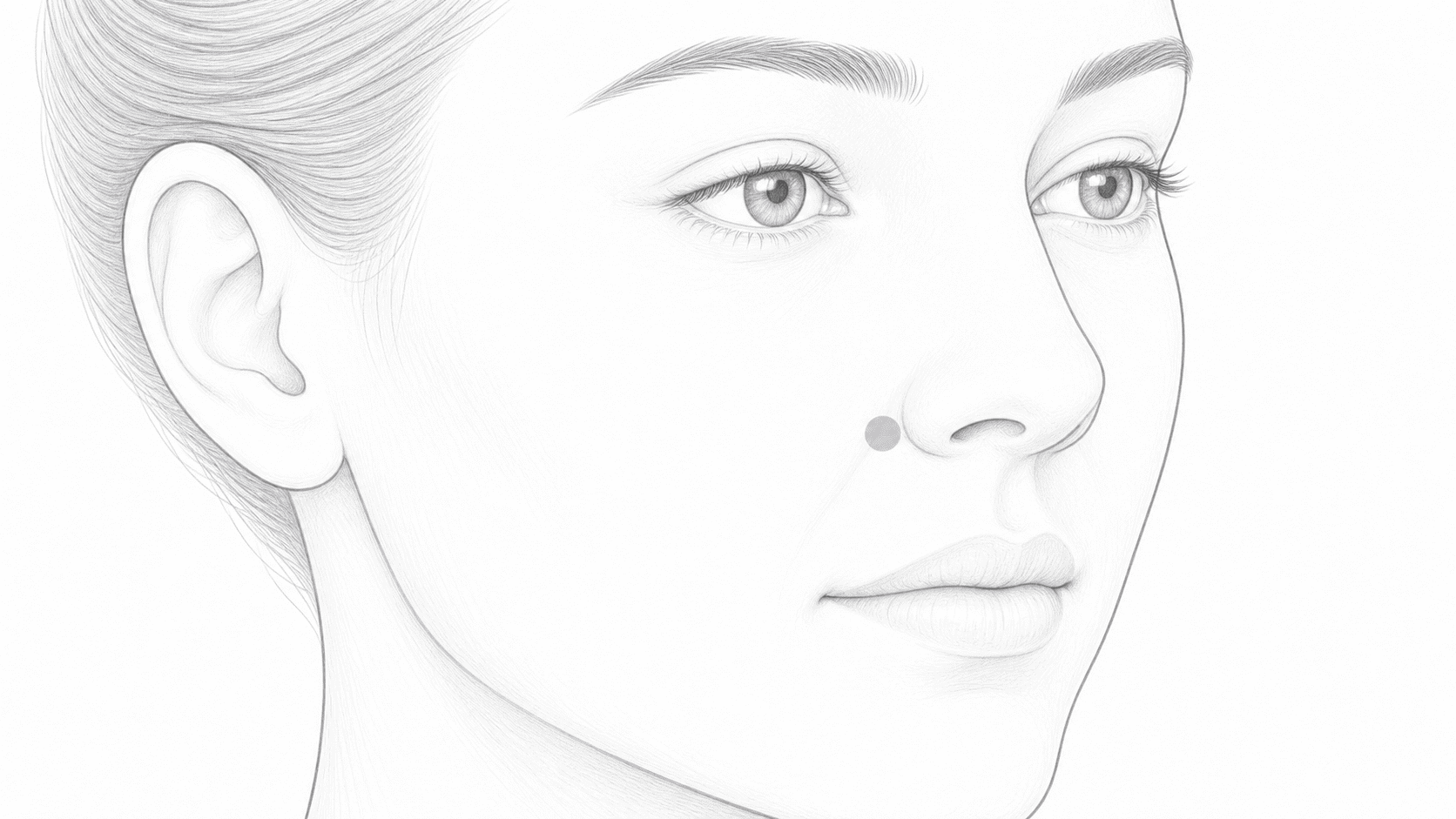
Bitong, or EX-HN14 Bitong, is described as Junction of nasal bone and cartilage. In practical self-care terms, start with the groove where the nasal bone meets the softer cartilage beside the nostril. Do not rely on soreness alone to find it. Tenderness can happen in overworked tissue, but tenderness is not a diagnosis and not proof that a point is correct.
Use the broad landmark first, then soften your pressure. If the point is near a joint, tendon, face, ankle, knee, or sacral area, keep contact light and avoid sharp angles. If you cannot find the point without digging, use the surrounding muscle area instead.
How to use EX-HN14
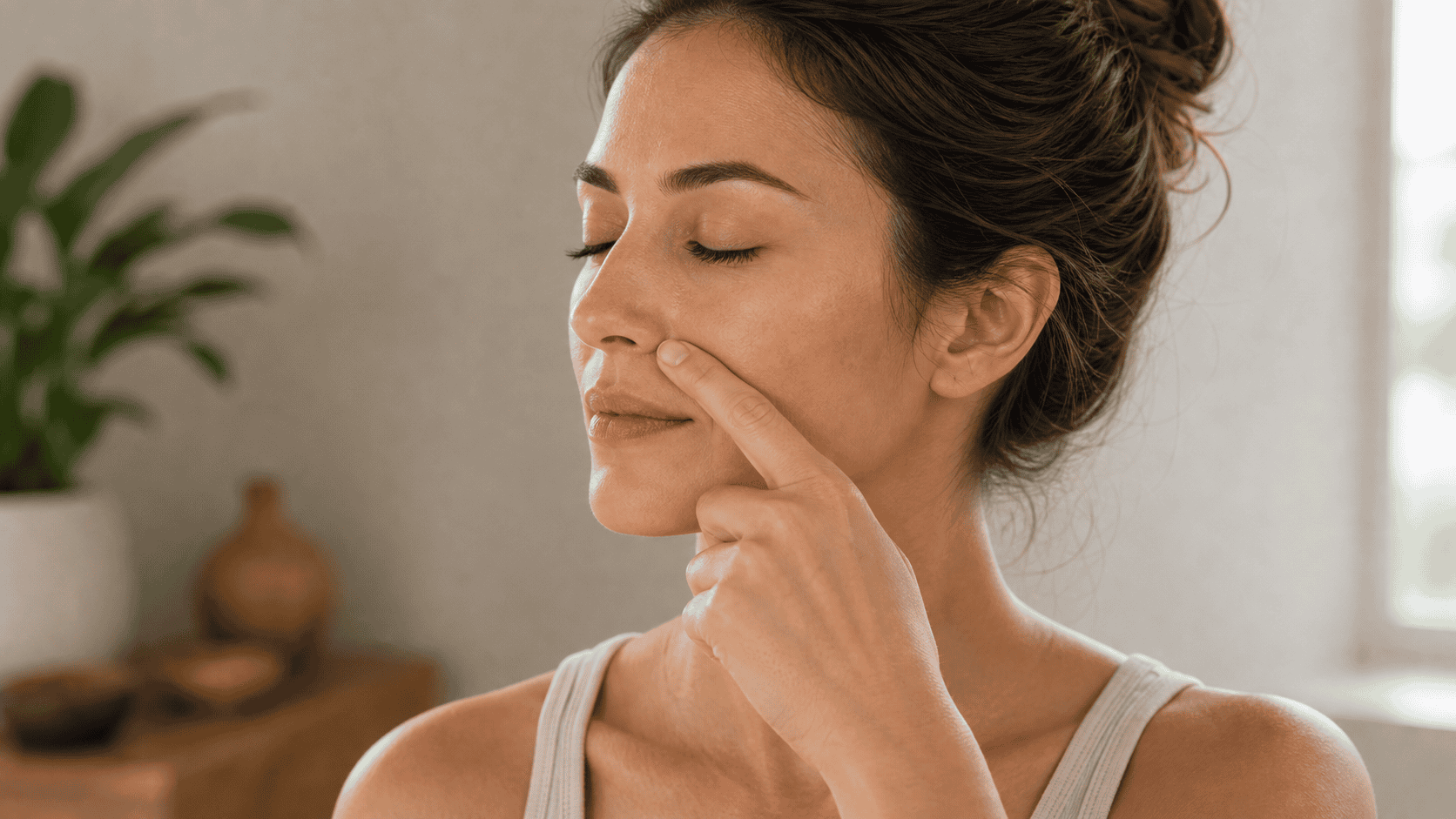
Place a clean finger, thumb pad, palm heel, or soft massage tool on the side of the nose. Hold comfortable pressure for 30 to 60 seconds, breathe normally, then release slowly. The sensation should feel dull, broad, and manageable.
If the area is small or bony, use tiny circles instead of direct force. If it is a larger muscle area, use broad pressure rather than a hard point. More pressure is not better. You should be able to relax your face, shoulders, and breathing while you hold the point.
Actionable takeaway: use comfortable pressure, not pain pressure. Stop if symptoms spread, intensify, tingle, numb, weaken, or feel alarming.
Pressure Points App
Learn how to locate and apply pressure points with guided sessions, illustrations, and step-by-step instructions. Free to download.
What is EX-HN14 used for?
In traditional acupressure, EX-HN14 is commonly discussed for nasal obstruction, rhinitis, sinusitis, nosebleed. Treat that as traditional context, not a medical promise. A pressure point page can help you locate and use the point safely, but it cannot tell you why a symptom is happening.
The most practical use is a short self-care pause when symptoms feel mild, local, and familiar. If the symptom is severe, sudden, traumatic, neurological, infectious, digestive, eye-related, pregnancy-related, or worsening, the safer next step is medical advice rather than stronger pressure.
What the evidence says
EX-HN14 appears in standardized point-location references, including the WHO acupuncture point location guide. That supports the naming and location framework, not a guarantee that one point changes a symptom.
For evidence, look at the larger condition area rather than this point alone. Relevant sources for this page include WHO Standard Acupuncture Point Locations in the Western Pacific Region, Acupressure for Well-Being, Acupressure for Pain and Headaches, Sinus Infection. The careful interpretation is simple: evidence is broader than one point. Some acupressure or acupuncture-related approaches have been studied, but protocols vary and the evidence should not be stretched into a promise for EX-HN14.
Safety and contraindications

Do not press over broken skin, bruising, infection, swelling, recent surgery, fragile skin, or an area with reduced sensation. Avoid direct pressure on the spine, major vessels, the eyeball, the throat, unstable joints, or any point that creates nerve-like symptoms.
Stop for sharp, electric, radiating, numbing, or weakening symptoms. Also stop for dizziness, faintness, shortness of breath, chest symptoms, sudden severe headache, vision changes, fever, unexplained weight loss, new bowel or bladder changes, or symptoms after trauma.
If you are pregnant, have a bleeding disorder, neuropathy, fragile skin, advanced osteoporosis, recent surgery, or a known serious condition, ask a qualified clinician before using pressure-point routines.
Common mistakes
The most common mistake is using EX-HN14 as if it needs to hurt. It does not. A pressure point can feel mildly tender, but strong pain is not the goal. If the area feels sharp, electric, bruised, or irritated, reduce pressure or stop.
A second mistake is using the point as a diagnosis. Tenderness near EX-HN14 does not prove that a specific organ, nerve, joint, or muscle is the cause of the symptom. It only tells you that the area responded to pressure. Keep the interpretation simple and practical.
A third mistake is pressing for too long. A short hold gives you enough information. If 30 to 60 seconds does not feel useful, a longer hold is not automatically better. Let the tissue settle, then decide whether this point belongs in your routine.
How to add it to a routine
Use EX-HN14 after you have checked your stop signals. Then pair it with one basic habit: slower breathing, a posture change, a warm compress, a short walk, or a clinician-approved movement. That makes the point part of a practical self-care routine rather than a stand-alone promise.
If you use more than one point, start with the easiest and safest area first. Keep the whole session under five minutes. The best routine is the one that leaves you feeling settled, not the one with the most points.
Quick fit check
Use EX-HN14 only when the symptom feels mild, familiar, and local enough for self-care. Skip it when the symptom feels severe, new, spreading, or medically unclear.
A good response is subtle: the area feels calmer, breathing feels easier, or you notice less bracing. A poor response is also useful information. If pressure makes the area more sensitive, stop and choose a gentler option next time.
If you are unsure, make the pressure lighter and shorter; a conservative first attempt gives you cleaner feedback than a forceful one.
Fit check: the point belongs in your routine only if it feels safe, simple, and repeatable.
Related points
Useful related AG pages include:
- Pressure Points for Headache Behind Eyes: A Practical Acupressure Guide
- How to Do Acupressure on Yourself: A Safe Beginner Guide
Frequently asked questions
Where exactly is EX-HN14?
EX-HN14 is located around the groove where the nasal bone meets the softer cartilage beside the nostril. Use the landmark first and keep pressure broad. Do not chase the most painful spot.
Can I press EX-HN14 by myself?
Usually yes for mild self-care, as long as you can reach the area without twisting, straining, or using hard pressure. If the position makes you tense up, use a softer tool or skip the point.
How hard should I press?
Use a level that feels comfortable and controlled. Pain is a stop signal, not a sign that the point is working.
How long should I hold it?
Use 30 to 60 seconds, then release slowly. If the area feels irritated afterward, use less pressure next time or stop using the point.
When should I not use this point?
Do not use it for severe, sudden, traumatic, spreading, neurological, fever-related, pregnancy-related, or worsening symptoms. Get medical help when symptoms are unusual or concerning.
Bottom line
EX-HN14 Bitong is a traditional pressure point that can be used as a short, gentle self-care contact around the side of the nose. The safest method is broad pressure, short timing, and realistic expectations.
Use it as supportive comfort only. It should not replace diagnosis or care from a qualified clinician.
This article is for educational purposes only and is not medical advice. Acupressure may be useful as supportive self-care, but it should not replace diagnosis or treatment from a qualified clinician. Seek urgent care for severe, sudden, or worsening symptoms.