Digestive Pressure Points: What Actually Works for Bloating, Nausea, and Gut Pain (2026)
If your stomach is giving you trouble â bloating after meals, sluggish digestion, nausea that comes and goes â you have probably already tried the usual fixes. Antacids, peppermint tea, cutting out dairy, eating slower. Some of these help. But if you are dealing with recurring digestive issues, there is an approach most people overlook: acupressure.
I have been using digestive pressure points since 2017, mostly for post-meal bloating and the kind of sluggish gut feeling that makes you want to just lie down after eating. The results surprised me. Not miracle-level, but real, noticeable improvement when I use the right points consistently.
Here is what I have learned about which pressure points actually help with digestion, how to use them effectively, and what the research says.
How Acupressure Helps Digestion
Before we get to the specific points, it helps to understand why pressing on certain spots on your body can affect your stomach.
Your digestive system is heavily regulated by the vagus nerve â a long nerve that runs from your brainstem down through your chest and into your abdomen. It controls stomach acid production, gut motility (the muscular contractions that move food through your system), and enzyme secretion. When the vagus nerve is not firing properly, digestion slows down.
Acupressure points that lie along the vagus nerve pathway or along meridians connected to digestive organs can stimulate this nerve. The result is increased gut motility, reduced bloating, and less nausea. It is not magic. It is a neurological reflex that researchers have been studying for decades.
Several clinical studies have confirmed that acupressure at specific points can reduce nausea, improve gastric emptying, and relieve constipation. The evidence is strongest for nausea (particularly for post-operative and pregnancy-related nausea) but growing for other digestive complaints as well.
The 8 Best Pressure Points for Digestion
These are the points I use most often and that have the best research support for digestive issues.
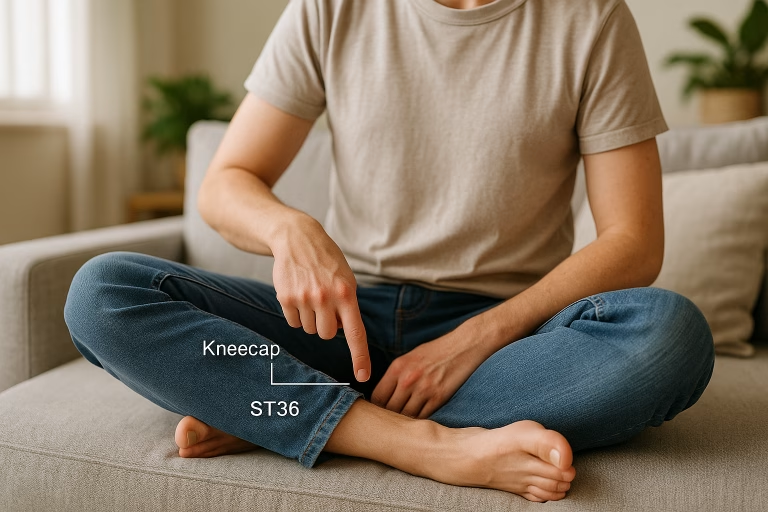
ST 36 â Zusanli (Below the Knee)
This is the single most important acupressure point for digestion. If you only learn one point from this entire article, make it this one.
Location: Four finger-widths below your kneecap, one finger-width to the outside of your shinbone. You will feel a slight dip or tender spot when you press into the right area.
What it does: ST 36 is the powerhouse of digestive acupressure. It stimulates stomach motility, reduces bloating, relieves nausea, and helps regulate both constipation and diarrhea. In traditional Chinese medicine, it is considered the primary point for strengthening the entire digestive system.
The research: A systematic review published in the World Journal of Gastroenterology found that stimulation of ST 36 significantly improved gastric motility in both animal and human studies. The mechanism involves vagal nerve activation, which triggers the release of gastric hormones and increases gut contractions.
How to use it: Press firmly with your thumb for 2 to 3 minutes per side. You should feel a dull ache or sensation of pressure radiating down your leg. Use moderate pressure â enough to feel it, but not enough to cause sharp pain.
PC 6 â Neiguan (Inner Wrist)
If ST 36 is the king of digestive points, PC 6 is the queen â particularly for nausea.
Location: Three finger-widths above your wrist crease on the inner forearm, between the two tendons. Flex your wrist slightly and you will see the two tendons pop up. The point is right between them.
What it does: PC 6 is the go-to point for nausea of any kind â motion sickness, morning sickness, post-surgical nausea, or the queasy feeling from eating something that disagreed with you. It also helps with acid reflux and upper digestive discomfort.
The research: This is the most studied acupressure point in existence. A Cochrane review (the gold standard of medical evidence reviews) confirmed that PC 6 stimulation significantly reduces nausea and vomiting. This is why “sea bands” â those wristbands with a small bead that presses on this point â actually work.
How to use it: Press with your thumb in a circular motion for 2 to 3 minutes. You can also buy acupressure wristbands that apply constant gentle pressure to this point. Useful when you cannot sit and press the point yourself.
CV 12 â Zhongwan (Upper Abdomen)
This point sits right over your stomach, which makes anatomical sense for why it works so well.
Location: Halfway between your belly button and the bottom of your breastbone. Place your fingers on the midline of your abdomen and find the spot that is roughly in the center of your upper belly.
What it does: CV 12 directly stimulates stomach function. It helps with bloating, fullness after eating, indigestion, and stomach pain. It is especially useful for that heavy, overfull feeling you get after eating too much or too quickly.
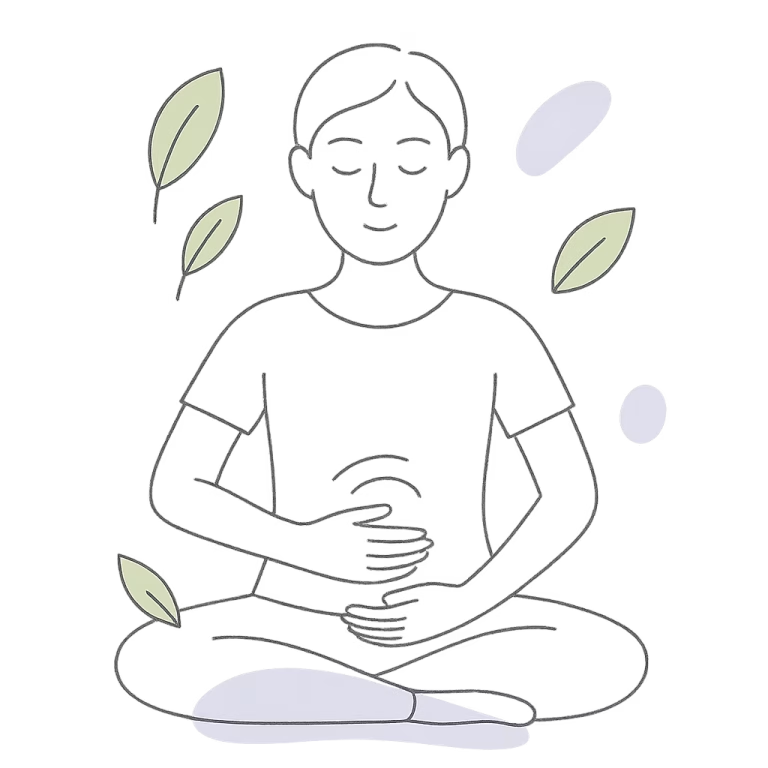
How to use it: Use gentle to moderate pressure with two or three fingertips. Press and hold, or use slow circular motions, for 2 to 3 minutes. Do not use heavy pressure here â the abdominal wall is sensitive and you do not want to create discomfort.
Important: Do not press this point if you have just eaten a large meal. Wait at least 30 minutes after eating. And avoid it entirely if you are pregnant.
SP 6 â Sanyinjiao (Inner Ankle)
SP 6 is a versatile point that affects multiple organ systems, including digestion.
Location: Four finger-widths above the inner ankle bone, just behind the shinbone. Press into the area and you will find a spot that feels tender or sore.
What it does: SP 6 helps with bloating, abdominal distension, loose stools, and poor appetite. It is also one of the best points for menstrual-related digestive issues â the bloating and bowel changes that many women experience around their period.
How to use it: Press firmly with your thumb for 1 to 2 minutes per side. The pressure should produce a dull ache. This point tends to be more sensitive than others, so start gently and increase pressure as tolerated.
Important: Avoid SP 6 during pregnancy, as it can stimulate uterine contractions.
LI 4 â Hegu (Hand)
LI 4 is one of the most well-known acupressure points in the world. Most people know it for headache relief, but it is also highly effective for digestive issues.
Location: In the fleshy area between your thumb and index finger, at the highest point of the muscle when you squeeze your thumb against your hand.
What it does: LI 4 helps move stagnant energy through the large intestine meridian. In practical terms, it relieves constipation, reduces abdominal pain, and helps with overall sluggish digestion. It is particularly good for constipation-dominant issues.
How to use it: Squeeze the point firmly between your opposite thumb and index finger. Hold for 1 to 2 minutes, using a kneading or circular motion. You should feel a strong, dull ache.
Important: Like SP 6, avoid LI 4 during pregnancy.
ST 25 â Tianshu (Beside the Navel)
ST 25 is a direct connection to the large intestine and is one of the most effective points for constipation and irregular bowel movements.
Location: Three finger-widths to either side of your belly button. You can press both sides simultaneously for a stronger effect.
What it does: ST 25 regulates the large intestine. It helps with constipation, diarrhea, bloating, and abdominal pain around the navel area. If you have IBS-type symptoms with alternating constipation and diarrhea, this point is particularly relevant.
How to use it: Place your index and middle fingers on each side of the navel at the correct distance. Press gently inward and use small circular motions for 2 to 3 minutes. The pressure should be moderate â firm enough to feel the muscles respond, gentle enough to remain comfortable.
CV 6 â Qihai (Lower Abdomen)
CV 6 is excellent for lower abdominal digestive issues and overall energy.
Location: About two finger-widths directly below your belly button, on the midline.
What it does: CV 6 helps with lower abdominal bloating, gas, constipation, and general digestive weakness. It is also considered an energy-building point, which makes it useful if your digestive issues are accompanied by fatigue.
How to use it: Press gently with two or three fingertips using slow, steady pressure. Hold for 2 to 3 minutes. As with all abdominal points, keep the pressure moderate and avoid using this point immediately after eating.
LR 3 â Taichong (Foot)
LR 3 is the primary point on the liver meridian and plays a key role in digestive regulation.
Location: On the top of your foot, in the depression between the first and second toe bones, about two finger-widths back from the toe web.
What it does: LR 3 is particularly helpful for stress-related digestive issues. When you are anxious or tense, your liver and gallbladder function can be affected, leading to nausea, loss of appetite, or a churning stomach feeling. LR 3 helps regulate this stress-digestion connection.
How to use it: Press firmly with your thumb into the depression between the toe bones. Hold for 1 to 2 minutes per foot. You will likely feel a strong sensation â this point tends to be quite tender in people who carry a lot of stress.
How to Use These Points: A Practical Protocol
Knowing the points is one thing. Using them effectively is another. Here is the protocol I follow for different digestive complaints.
For Bloating After Meals
Wait 20 to 30 minutes after eating, then work these points in order: ST 36 (2 minutes per side), CV 12 (2 minutes), ST 25 (2 minutes both sides). Total time: about 10 minutes. This combination targets stomach motility, upper digestive function, and intestinal movement.
For Nausea
Start with PC 6 immediately â this is your first-line point for any type of nausea. Press both wrists simultaneously if possible, for 3 to 5 minutes. If the nausea persists, add ST 36 for another 2 to 3 minutes per side. For motion sickness, consider wearing acupressure wristbands that maintain constant pressure on PC 6.
For Constipation
Focus on LI 4 (2 minutes per hand), ST 25 (3 minutes both sides), and CV 6 (2 minutes). Do this routine twice daily â morning and evening â for best results. Constipation responds best to consistent daily acupressure rather than occasional use.
For Stress-Related Stomach Issues
Work LR 3 (2 minutes per foot) followed by PC 6 (2 minutes per wrist) and ST 36 (2 minutes per side). This combination addresses the stress component (LR 3), calms nausea (PC 6), and supports overall digestive function (ST 36).
For General Digestive Maintenance
If you just want to support healthy digestion daily, press ST 36 for 2 to 3 minutes per side each morning. This single point, used consistently, can make a noticeable difference in overall digestive comfort over 2 to 4 weeks.
Tips for Better Results
Timing matters. Most digestive acupressure is best done between meals â at least 30 minutes after eating and at least 30 minutes before your next meal. The exception is PC 6 for acute nausea, which you can use anytime.
Consistency beats intensity. Pressing harder does not make the points work better. Moderate, sustained pressure for 2 to 3 minutes is more effective than intense pressure for 30 seconds. And using the points daily for several weeks produces better results than occasional strong sessions.
Breathing helps. While pressing each point, take slow, deep breaths. Deep breathing activates the vagus nerve on its own, so combining it with acupressure amplifies the effect on your digestive system.
Warm hands work better. If your hands are cold, warm them up before pressing abdominal points. Cold fingers on a warm abdomen can cause the muscles to tighten, which is counterproductive when you are trying to encourage relaxation and motility.
Track your response. Keep a simple log of which points you use and how your digestion responds over the following hours. After a couple of weeks, you will see patterns emerge â certain points may work better for you than others. Everyone responds slightly differently.
Using an Acupressure Mat for Digestive Support
An acupressure mat can complement your point-pressing routine by stimulating broad areas of the back that correspond to digestive reflex zones.
When you lie on an acupressure mat, the hundreds of pressure points across the surface stimulate the thoracic and lumbar spine area. Many of the nerve pathways that regulate digestive function run through this region. The mat creates a widespread stimulation effect that can improve gut motility, reduce tension in the abdominal area, and activate the parasympathetic nervous system â your body’s “rest and digest” mode.
For digestive support specifically, try lying on your acupressure mat for 15 to 20 minutes about 30 minutes after a meal. The Pranamat works well for this because its lotus-flower spike design provides firm but comfortable pressure across the entire back. The natural materials also mean no chemical smell â which matters when you are already dealing with a sensitive stomach.
Some readers report the best results from placing the mat on the floor and lying face-down with the mat pressing against the lower abdomen. This directly stimulates the ST 25 and CV 6 areas. Start with just 5 minutes in this position and increase gradually, as abdominal pressure can feel intense at first.
What the Research Says
The evidence for acupressure’s effect on digestion is solid, particularly for certain conditions.
Nausea: The strongest evidence exists for PC 6 (Neiguan) reducing nausea. A Cochrane review analyzing 40 trials found consistent evidence that acupressure at PC 6 reduced nausea and vomiting across multiple contexts including post-surgical, pregnancy-related, and chemotherapy-induced nausea.
Constipation: A randomized controlled trial published in Gastroenterology Nursing found that patients who received acupressure at ST 25 and other abdominal points had significantly more bowel movements than the control group over a 4-week period.
Functional dyspepsia: Research in the Journal of Gastroenterology and Hepatology found that acupressure improved symptoms of functional dyspepsia (chronic indigestion without an identifiable cause) including bloating, early fullness, and epigastric pain.
IBS: A study in the American Journal of Chinese Medicine reported that acupressure reduced symptom severity in IBS patients, with improvements in abdominal pain, bloating, and stool consistency.
The research overall suggests that acupressure works best as a complementary approach â alongside dietary changes, stress management, and medical treatment when needed. It is not a replacement for medical care, especially if you have symptoms that could indicate a more serious condition.
When to See a Doctor Instead
Acupressure is safe and useful for everyday digestive complaints, but there are situations where you should see a healthcare provider rather than reaching for a pressure point.
See a doctor if you experience unexplained weight loss, blood in your stool, persistent vomiting, severe abdominal pain that does not improve, difficulty swallowing, or digestive symptoms that have changed significantly without an obvious cause. These could indicate conditions that require medical diagnosis and treatment.
If you have been diagnosed with a digestive condition like Crohn’s disease, ulcerative colitis, or celiac disease, acupressure can be a useful addition to your treatment plan â but work with your healthcare team to make sure it complements rather than conflicts with your medical management.
Bottom Line
Digestive pressure points are one of the most practical and evidence-backed applications of acupressure. Start with ST 36 and PC 6 â these two points alone cover the most common digestive complaints. Add the abdominal points (CV 12, ST 25, CV 6) as you get more comfortable with the technique.
The key is consistency. Using digestive pressure points for 5 to 10 minutes daily will produce better results than occasional 30-minute sessions. Give it 2 to 3 weeks of daily practice before deciding whether it works for you.
Your digestive system responds to regular input. Give it the right signals, and it will cooperate.
Frequently Asked Questions
What is the best pressure point for bloating?
ST 36 (Zusanli), located four finger-widths below the kneecap, is the most effective single point for bloating. It stimulates stomach motility and helps move trapped gas through the digestive system. For faster relief, combine it with ST 25 (three finger-widths beside the navel) to also stimulate the large intestine.
Can acupressure help with acid reflux?
Yes. PC 6 (Neiguan) on the inner wrist is the most effective acupressure point for acid reflux and upper digestive discomfort. Press it for 2 to 3 minutes when symptoms occur. CV 12 on the upper abdomen can also help by regulating stomach function. Consistent daily use tends to produce better results than occasional use.
How long should I press a digestive pressure point?
Most digestive pressure points work best with 2 to 3 minutes of sustained, moderate pressure per point. For acute nausea, you may need to press PC 6 for up to 5 minutes. The pressure should create a dull ache or sensation of warmth, not sharp pain. Pressing harder does not make them work faster.
Is it safe to use digestive pressure points every day?
Yes, daily use is safe and actually recommended for best results. The points SP 6 and LI 4 should be avoided during pregnancy, and abdominal points should not be pressed immediately after eating. Otherwise, there are no known risks to regular acupressure for digestive support.
Can I use acupressure for IBS symptoms?
Acupressure can help manage IBS symptoms including bloating, abdominal pain, and irregular bowel movements. The most useful points are ST 36, ST 25, SP 6, and LR 3 (especially for stress-triggered IBS). Research has shown measurable improvements in IBS symptom severity with regular acupressure, though it works best as part of a comprehensive management plan.
Do acupressure wristbands actually work for nausea?
Yes, there is strong clinical evidence supporting acupressure wristbands that press on PC 6. A Cochrane review confirmed their effectiveness for reducing nausea. They work best for motion sickness and pregnancy-related nausea. The key is positioning them correctly â the bead must sit three finger-widths above the wrist crease, centered between the two tendons.
When should I do acupressure for digestion â before or after eating?
For general digestive support and bloating prevention, do acupressure 30 minutes before a meal to prime your digestive system. For post-meal bloating or discomfort, wait at least 20 to 30 minutes after eating before pressing abdominal points. For nausea, press PC 6 immediately regardless of timing. Morning sessions with ST 36 are a good daily maintenance routine.
Related Reading
- Do Acupressure Mats Work? What the Evidence Really Says
- Acupressure Mat Benefits: What Daily Use Actually Does
- Pressure Points for Stomach Ache Relief
- Pressure Points for Stress Relief
- The 8 Best Acupressure Mats of 2026
Author

Free Mobile App
Find Pressure Points on the Go
Interactive 3D body map with 100+ acupressure points, step-by-step guides, and personalized routines.
Download Free App →