Pressure Points for Stomach Ache: 9 Points That Actually Calm Your Gut (2026)
You know that feeling â your stomach is cramping, bloated, or just off, and you are stuck wondering whether to reach for antacids or just ride it out. I have been there more times than I can count.
I started practicing acupressure in 2017, and while back pain was my original reason, stomach issues became the second thing I learned to manage with pressure points. Between travel, stress-related gut problems, and the occasional food that did not agree with me, I have had plenty of opportunities to test what actually works.
Here is what I have found after 9 years of practice: there are specific pressure points that reliably calm stomach aches, reduce bloating, and ease nausea â often within minutes. Not all of them. The internet is full of lists that throw 15 random points at you without context. I am going to focus on the 9 that have consistently worked for me and that have research behind them. Let me break it all down.
How Acupressure Helps With Stomach Pain
Your digestive system is controlled by the vagus nerve and the enteric nervous system â sometimes called your “second brain.” When you apply pressure to specific acupressure points, you are stimulating nerve pathways that directly influence gut motility, gastric acid secretion, and the smooth muscle contractions that move food through your system.
A 2020 study in the Journal of Gastroenterology and Hepatology found that acupressure significantly improved functional dyspepsia symptoms compared to sham acupressure. A separate 2019 systematic review in Complementary Therapies in Medicine confirmed that acupressure effectively reduces nausea from multiple causes, including post-operative and chemotherapy-induced nausea.
The practical takeaway: this is not a placebo. There are measurable physiological changes happening when you press these points.
The 9 Best Pressure Points for Stomach Ache Relief
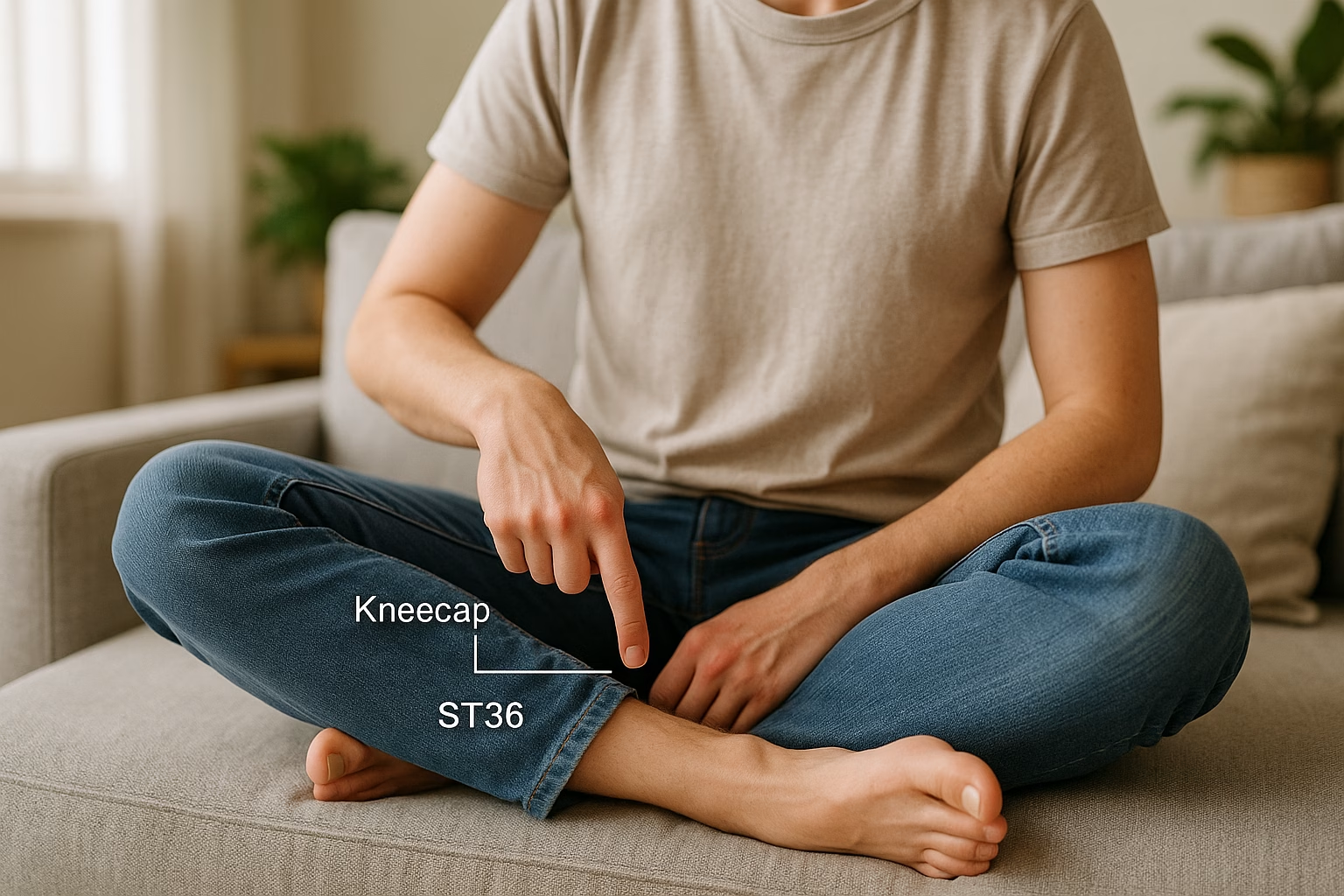
1. ST 36 (Zusanli) â The Master Digestive Point
Where it is: Four finger-widths below your kneecap, one finger-width to the outer side of your shinbone. When you flex your foot, you should feel a small muscle pop â the point is right there.
Why it works: ST 36 is the single most researched acupressure point for digestive issues. It stimulates gastric motility, regulates stomach acid production, and activates the vagus nerve. In TCM, it is called the “point of a hundred diseases” because of its broad therapeutic effects.
How to use it: Press firmly with your thumb, angling slightly toward the shinbone. Use small circular motions for 60 to 90 seconds per leg. You should feel a distinct deep ache â that means you are in the right spot.
This is my go-to point for any stomach issue. Cramping, bloating, general discomfort â I start here every single time. It works fast, and you can do it anywhere.
2. CV 12 (Zhongwan) â The Stomach Center Point
Where it is: On the midline of your abdomen, halfway between your belly button and the bottom of your breastbone (about four finger-widths above your navel).
Why it works: CV 12 sits directly over the stomach organ. It is the “Front-Mu” point of the stomach in TCM, meaning it is the point where the stomach’s energy gathers on the front of the body. Physiologically, pressing here stimulates the gastric nerve plexus, which can reduce stomach acid, relieve upper abdominal pain, and ease the feeling of fullness after eating.
How to use it: Lie down on your back for this one. Place two or three fingers on the point and press gently â this area can be sensitive when your stomach is already upset. Use slow, steady pressure for 60 seconds. Increase pressure gradually as the discomfort eases.
Important: Do not press hard on this point if you have just eaten a large meal. Wait at least 30 minutes after eating.
3. PC 6 (Neiguan) â The Anti-Nausea Point
Where it is: On the inside of your forearm, about three finger-widths above your wrist crease, between the two tendons you can feel when you flex your wrist.
Why it works: PC 6 is the most well-studied acupressure point for nausea. It works by modulating signals to the brain’s vomiting center through the median nerve. This is the same point targeted by those anti-nausea wristbands you see in drugstores â and the research backs it up. Multiple randomized controlled trials have confirmed its effectiveness for post-operative nausea, morning sickness, and motion sickness.
How to use it: Press firmly between the two tendons with your opposite thumb. Hold steady pressure for 60 seconds, then release for 30 seconds, then press again. Repeat for 2 to 3 minutes. For active nausea, this often provides relief within the first minute.
I keep coming back to this point during travel. It has saved me on more than a few turbulent flights and questionable street food experiences.
4. SP 6 (Sanyinjiao) â The Three Yin Meeting Point
Where it is: Four finger-widths above the inner ankle bone, just behind the shinbone.
Why it works: SP 6 is where three meridians converge â the Spleen, Liver, and Kidney meridians. For digestive issues, it addresses the spleen’s role in transforming and transporting nutrients. When your digestion feels sluggish, heavy, or bloated, SP 6 helps get things moving again. It is particularly effective for stomach aches accompanied by fatigue or a feeling of heaviness.
How to use it: Press firmly with your thumb into the depression behind the shinbone. Hold for 60 to 90 seconds per leg. This point can be quite tender â start with moderate pressure.
Important: Do not use this point if you are pregnant, as it can stimulate uterine contractions.
5. LI 4 (Hegu) â The General Pain Relief Point
Where it is: In the fleshy web between your thumb and index finger, at the highest point when you squeeze them together.
Why it works: LI 4 is on the Large Intestine meridian and triggers a broad endorphin release that reduces pain perception throughout the body. For stomach aches specifically, it helps with intestinal cramping and pain in the lower abdomen. It also promotes peristalsis â the wave-like contractions that move food through your digestive tract.
How to use it: Squeeze firmly between your thumb and index finger. Hold for 45 to 60 seconds per hand. Combined with ST 36, this is a powerful pair for general abdominal discomfort.
Important: Avoid during pregnancy.
6. ST 25 (Tianshu) â The Intestinal Regulator
Where it is: Three finger-widths to either side of your belly button, at the same horizontal level.
Why it works: ST 25 is the Front-Mu point of the Large Intestine. It directly regulates intestinal function, making it particularly effective for stomach aches that come with constipation, diarrhea, or irregular bowel movements. It addresses both excess and deficiency patterns â so it helps whether things are moving too fast or not moving at all.
How to use it: Lie down and place your fingers on both points simultaneously (one on each side of your navel). Press gently but firmly for 60 to 90 seconds. Use slow circular motions in a clockwise direction â this follows the natural direction of your colon.
7. CV 6 (Qihai) â The Sea of Energy Point
Where it is: About two finger-widths directly below your belly button.
Why it works: CV 6 is called the “Sea of Qi” because it is considered a primary energy center for the entire body. For stomach aches, it addresses lower abdominal pain, cramping, and the kind of gut discomfort that comes with stress or anxiety. It helps regulate the parasympathetic nervous system, which controls the “rest and digest” functions.
How to use it: Place two fingers on the point and press gently inward. Hold steady pressure for 60 to 90 seconds. Breathe deeply and slowly while pressing â this amplifies the parasympathetic response.
This is the point I use when my stomach issues are clearly stress-related. The combination of pressure and conscious breathing calms everything down.
8. LV 3 (Taichong) â The Stress-Stomach Connection Point
Where it is: On the top of your foot, in the depression where the bones of your big toe and second toe meet, about two finger-widths up from the web between them.
Why it works: LV 3 is the primary point for moving stagnant Liver Qi, which in TCM is one of the most common causes of stomach problems. When you are stressed, angry, or frustrated, your Liver energy stagnates and invades the stomach â causing pain, bloating, acid reflux, and nausea. LV 3 releases that stagnation. In modern terms, it helps regulate the stress response that disrupts digestive function.
How to use it: Press firmly into the depression between the bones using your thumb. Hold for 60 seconds per foot. This point is often quite tender, which usually indicates it needs the most attention.
If your stomach ache seems to flare up during stressful periods or after arguments, LV 3 is your point.
9. SP 4 (Gongsun) â The Bloating and Gas Point
Where it is: On the inner edge of your foot, in the depression behind the base of your big toe’s metatarsal bone (the large bump on the inside of your foot).
Why it works: SP 4 is the connecting point of the Spleen meridian and opens the Chong vessel, which influences the entire digestive system. It is particularly effective for bloating, gas, and that uncomfortable feeling of food sitting in your stomach without moving. It also helps with acid reflux and the nausea that comes from an overly full stomach.
How to use it: Press with your thumb into the arch of your foot at this point. Hold for 60 seconds per foot. This pairs exceptionally well with PC 6 â in classical acupuncture, they are used together as a powerful digestive combination.
A Quick 5-Minute Stomach Ache Routine
When your stomach is acting up, here is the fastest routine I have found:
Step 1 (90 seconds): Press ST 36 on both legs â 45 seconds per side. This gets your digestive system’s attention.
Step 2 (60 seconds): Press PC 6 on both wrists â 30 seconds per side. Addresses any nausea component.
Step 3 (60 seconds): Press CV 12 â lie down if possible. Targets the stomach directly.
Step 4 (60 seconds): Press LI 4 on both hands â 30 seconds per side. General pain relief and intestinal support.
Step 5 (60 seconds): Press LV 3 on both feet â 30 seconds per side. Releases stress-related tension in the gut.
Five minutes. You can do this in bed, on a couch, or even at your desk (skip CV 12 if you cannot lie down and double up on ST 36 instead).
When Stomach Aches Are Stress-Related
Here is the thing nobody warns you about: most recurring stomach aches have a stress component. Your gut has more neurons than your spinal cord, and it responds to emotional stress just as much as bad food.
If your stomach issues tend to flare up before presentations, during conflicts, or in periods of high anxiety, focus on these three points: LV 3, CV 6, and PC 6. This combination addresses the stress-gut connection directly. Do it twice daily â morning and evening â for at least two weeks to see a real shift.
I noticed my own stress-related stomach issues dropped dramatically after I started a consistent LV 3 practice. Not overnight. But within about three weeks, the pattern broke.
Using an Acupressure Mat for Stomach Issues
An acupressure mat is primarily known for back pain, but it can also help with stomach issues â especially stress-related ones. When you lie on the mat, the thousands of pressure points stimulate your parasympathetic nervous system, shifting your body into “rest and digest” mode.
I have been using my Pranamat almost every evening since 2017. While I originally got it for my back, I noticed that my evening digestive issues improved significantly once I started using it regularly. The deep relaxation response it triggers helps calm an overactive gut.
For stomach-specific use, try lying on the mat for 15 minutes before bed. You can also place the mat on a chair and sit on it to target the lower back points that influence digestive function through the spinal nerve connections.
Foods and Habits That Make Pressure Points Work Better
Acupressure is more effective when you support it with basic digestive habits:
- Eat slowly. Chewing thoroughly reduces the workload on your stomach and prevents the air swallowing that causes bloating.
- Avoid ice-cold drinks with meals. In TCM, cold dampens digestive fire. In modern terms, very cold beverages can cause stomach muscle cramping in sensitive individuals.
- Walk after eating. Even 10 minutes of gentle walking stimulates peristalsis and helps prevent that heavy, stagnant feeling.
- Manage stress actively. If your stomach issues are stress-related, the pressure points are treating symptoms. Address the root cause through regular stress management â meditation, exercise, therapy, whatever works for you.
When to See a Doctor Instead
Acupressure works well for functional stomach issues â the kind that come from stress, mild food reactions, bloating, or irregular digestion. It is not a substitute for medical care if you have:
- Severe or sudden abdominal pain that does not improve within a few hours
- Blood in your stool or vomit
- Persistent vomiting lasting more than 24 hours
- High fever combined with stomach pain
- Unintended weight loss with ongoing digestive issues
- Pain that wakes you from sleep regularly
- Symptoms that have persisted for more than two weeks without improvement
These could indicate conditions like ulcers, gallstones, appendicitis, or inflammatory bowel disease that need medical diagnosis and treatment.
The Bottom Line
Stomach aches are one of the most responsive conditions to acupressure. The 9 points in this guide target every major cause â from cramping and bloating to nausea and stress-related gut dysfunction.
Start with ST 36 and PC 6. Those two points alone handle the majority of common stomach complaints. Add CV 12 for upper stomach pain, LI 4 for cramping, and LV 3 if stress is driving your symptoms.
I have been using these points since 2017. They do not replace eating well and managing stress, but they give you a reliable tool for those moments when your stomach decides to make your day miserable. Five minutes of targeted pressure can turn a bad stomach day around. And if you want daily digestive support without having to remember individual points, an acupressure mat used in the evening makes that a lot easier.
FAQ
What is the fastest pressure point for stomach ache relief?
ST 36, located four finger-widths below your kneecap on the outer side of the shinbone, provides the fastest general relief for most stomach aches. It stimulates gastric motility and activates the vagus nerve within 60 to 90 seconds. For nausea specifically, PC 6 on the inner wrist works even faster.
Can acupressure help with bloating?
Yes. SP 4 (inner arch of the foot) and ST 25 (three finger-widths beside the belly button) are the two most effective points for bloating. SP 4 helps move stagnant food through the digestive tract, while ST 25 directly regulates intestinal function. Press ST 25 in clockwise circles to follow the natural direction of the colon.
How long should I press a stomach pressure point?
Hold each point for 60 to 90 seconds with firm, steady pressure. For active nausea, PC 6 can be held in intervals â 60 seconds on, 30 seconds off â for up to 5 minutes. Most people feel some relief within the first 2 to 3 minutes of a full stomach routine.
Are pressure points safe for stomach aches during pregnancy?
Some points are safe and some are not. PC 6 is widely used and well-researched for pregnancy-related nausea and is generally considered safe. However, avoid LI 4, SP 6, and LV 3 during pregnancy, as these points can stimulate uterine contractions. Always consult your healthcare provider before starting acupressure during pregnancy.
Can I use acupressure for acid reflux?
Yes. PC 6 and CV 12 are the two most effective points for acid reflux. PC 6 calms the stomach’s upward energy that drives reflux, while CV 12 helps regulate gastric acid production. SP 4 is also helpful, particularly for reflux that worsens after meals. Use these points 30 minutes after eating for best results.
Does acupressure work for food poisoning stomach aches?
Acupressure can help manage nausea and cramping from mild food reactions, but food poisoning requires medical attention if symptoms are severe. PC 6 can reduce nausea, and LI 4 can help with cramping, but these are supportive measures â not treatments. If you have high fever, blood in your stool, or severe dehydration, see a doctor.
How often should I do acupressure for chronic stomach issues?
For chronic or recurring stomach problems, daily practice produces the best results. A 5-minute routine morning and evening for two to three weeks is usually enough to notice significant improvement. Focus on ST 36 and LV 3 as your daily foundation, and add other points based on your specific symptoms.
Related Reading
- Digestive Pressure Points: What Actually Works
- Pressure Points for Digestion
- Acupressure Mat Benefits: 10 Science-Backed Reasons to Try One
- Pressure Points for Stress
- Do Acupressure Mats Work?
Author

Free Mobile App
Find Pressure Points on the Go
Interactive 3D body map with 100+ acupressure points, step-by-step guides, and personalized routines.
Download Free App →