
Do Acupressure Mats Work? What the Science Actually Says (2026)
So you have been hearing about acupressure mats. Maybe a friend swears hers fixed her back pain. Maybe you saw an ad and thought it looked like a medieval torture device. Either way, you are here because you want to know the truth: do these things actually work, or is it all placebo and marketing?
I have been using an acupressure mat almost every day for over two years now. Not casually. Not once a week when I remember. Every single day, usually 20 to 30 minutes before bed. And I have read through dozens of clinical studies to make sure my personal experience lines up with what the research actually shows.
Here is what I found.
What Is an Acupressure Mat?
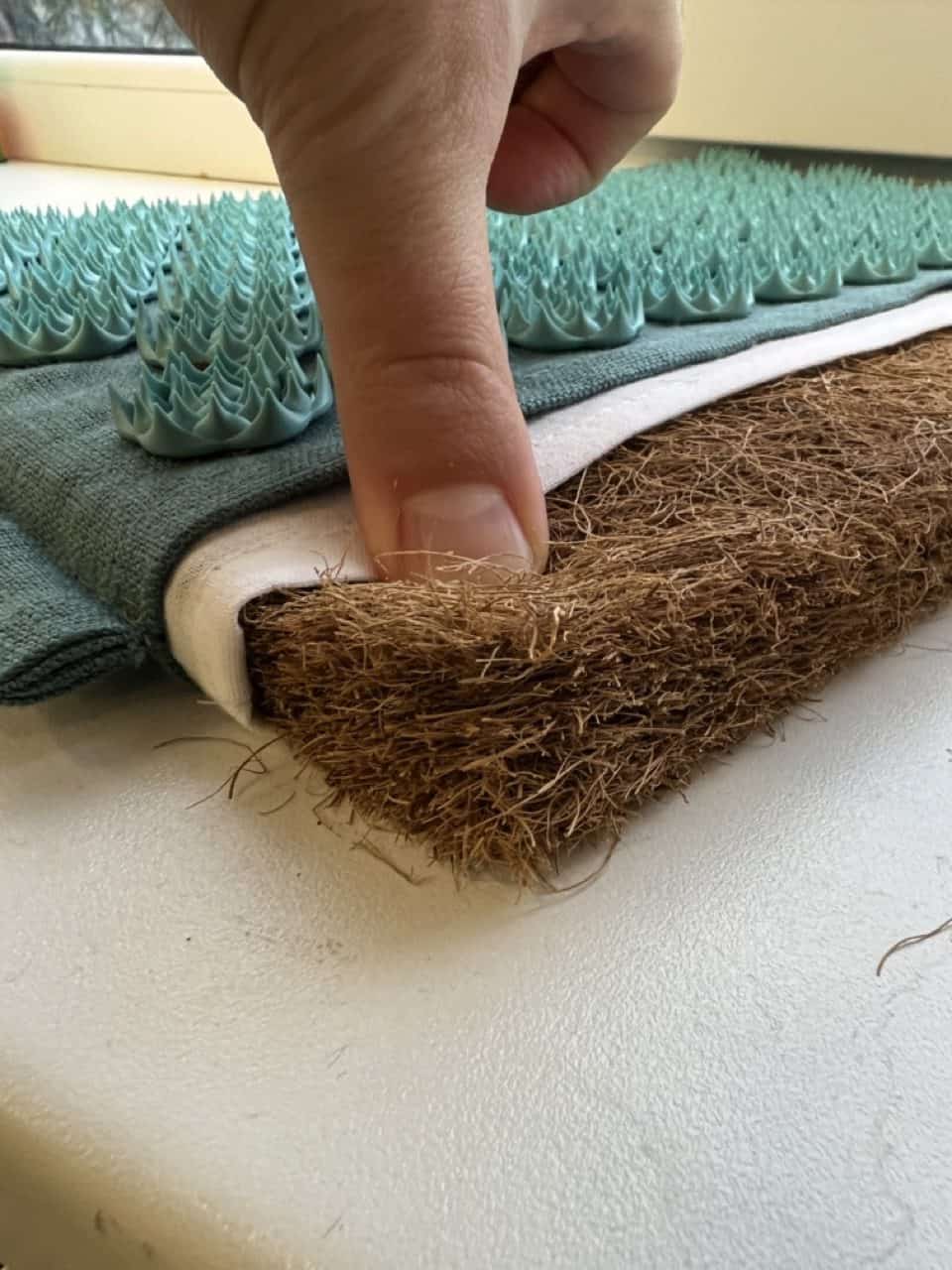
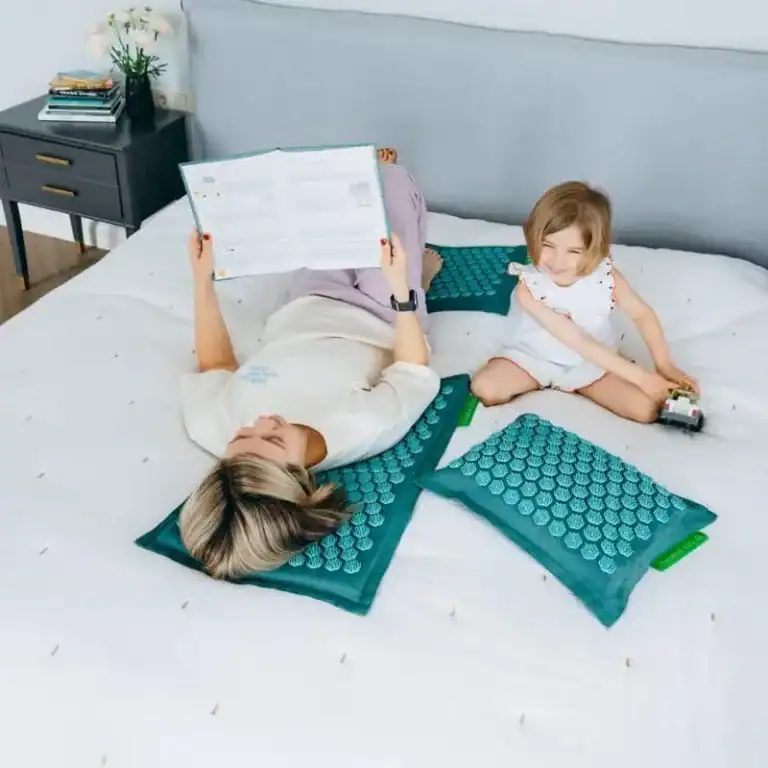
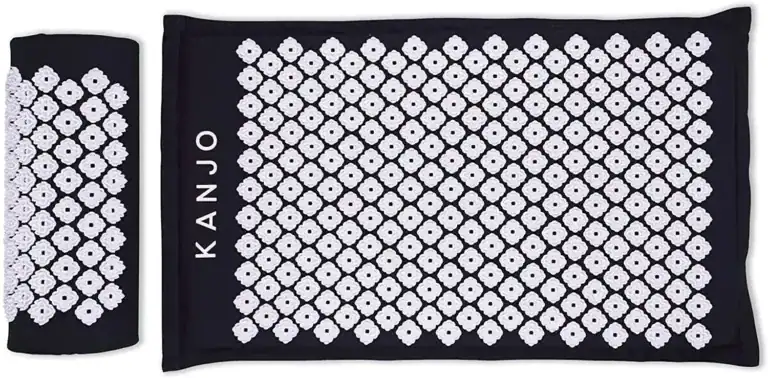
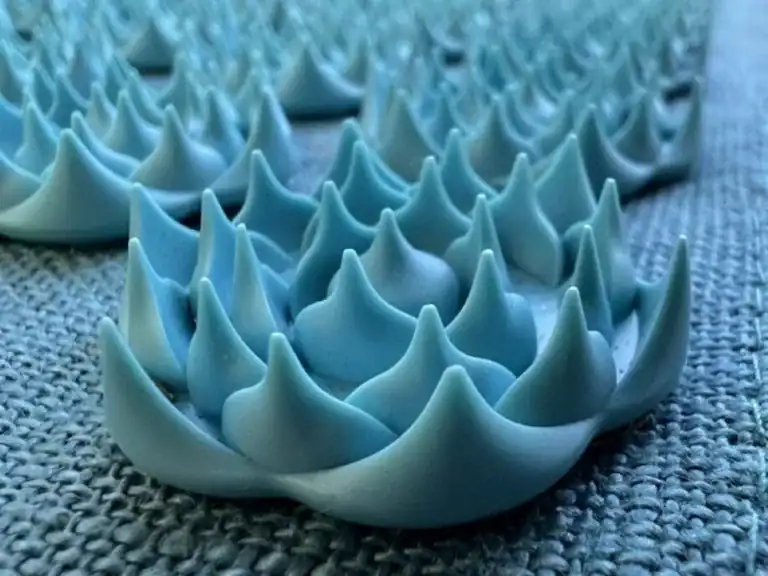
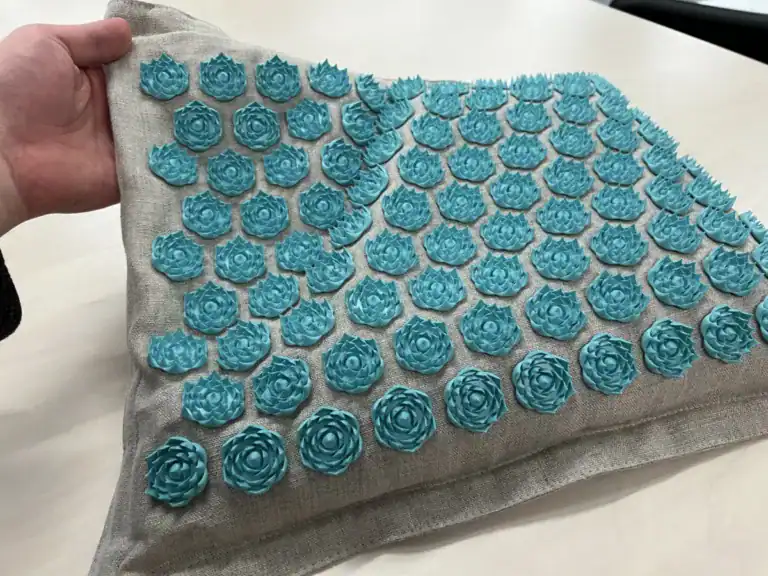
An acupressure mat is a foam mat covered in thousands of small plastic spikes, usually arranged in circular clusters called “lotus flowers.” You lie on it with bare skin, and the spikes press into your back, neck, or whatever body part you place on them.
The concept is rooted in traditional acupressure, which has been used in Chinese medicine for thousands of years. The idea is that applying pressure to specific points on the body stimulates blood flow, triggers the release of endorphins, and helps muscles relax. A modern acupressure mat takes that principle and spreads it across hundreds of pressure points at once.
Most mats have somewhere between 4,000 and 8,000 individual spikes. The more spikes, the gentler the sensation, because your body weight gets distributed across more points. Fewer spikes means more intense pressure per point.
They typically cost anywhere from $20 for a basic budget mat to over $300 for a premium option like the Pranamat. And yes, the quality differences are real. I will get into that later.
How Do Acupressure Mats Work? The Mechanism
When you lie on an acupressure mat, three things happen in your body.
First, local blood flow increases. The spike pressure causes micro-dilation of blood vessels in the skin and superficial muscles. A 2024 study published in the European Journal of Applied Physiology confirmed that acupressure significantly increased local blood circulation in the areas where pressure was applied. The effect was measurable and consistent across participants.
Second, your body releases endorphins. The initial discomfort of the spikes triggers your body’s natural pain-response system. Within a few minutes, endorphins and oxytocin flood the area, creating that warm, relaxed feeling that regular users describe. This is not speculation. It is the same well-documented endorphin response that occurs with deep tissue massage and acupuncture.
Third, muscle tension releases. The sustained pressure on trigger points helps tight muscles let go. If you have ever had a massage therapist press a knot in your back and hold it until it released, the principle is similar. The mat just does it across your entire back at once.
The combination of these three mechanisms is why people report such a wide range of benefits, from pain relief to better sleep to reduced anxiety. It is not that the mat is magic. It is that increased circulation plus endorphin release plus muscle relaxation adds up to something your body genuinely responds to.
What Does the Science Say?
Let me be direct: acupressure mats have more clinical research behind them than most people realize. The evidence is not perfect, and no honest review should pretend it is. But the trend across multiple studies is clear and consistent.
Pain Relief
This is the most studied benefit, and the evidence is strong.
A 2021 randomized controlled trial published in Applied Sciences tested acupressure mats combined with therapeutic exercise for chronic low back pain. The group using acupressure mats showed significantly greater pain reduction compared to the exercise-only group. The researchers concluded that acupressure mats were an effective complementary treatment for chronic back pain. (Source)
An earlier EU-sponsored clinical study conducted in 2014 specifically tested the Pranamat on participants with back pain. After consistent use, participants reported meaningful reductions in pain intensity and improvements in overall wellbeing.
This aligns with the broader body of acupressure research. A systematic review of acupressure found consistent evidence for pain reduction across multiple conditions, including low back pain, menstrual pain, and headaches.
My own experience backs this up completely. I started using an acupressure mat because of chronic tension in my upper back and neck from desk work. Within the first two weeks of daily use, the persistent tightness between my shoulder blades that I had been dealing with for months started to ease. After two months, it was essentially gone as long as I kept up the routine.
Stress and Anxiety Reduction
A 2024 study published in Applied Psychology: Health and Well-Being found that regular acupressure mat use significantly reduced subjective stress levels. Participants who used the mat consistently reported lower stress and better emotional regulation compared to the control group. (Source)
This makes physiological sense. The endorphin release triggered by the spikes activates your parasympathetic nervous system, which is the “rest and digest” mode that counteracts the stress response. You are essentially giving your nervous system a reset.
I notice this most on days when I come home wound up from work. Twenty minutes on the mat and my whole nervous system downshifts. It is not dramatic or instant. It is more like a gradual unwinding that leaves you genuinely calmer.
Sleep Improvement
This is where the research gets really interesting.
A 2018 meta-analysis that reviewed 32 randomized controlled trials found that acupressure improved sleep quality scores by 13 to 19 percent on the Pittsburgh Sleep Quality Index. That is a clinically meaningful improvement. (Source)
A larger 2024 meta-analysis expanded on this, reviewing 41 RCTs with a total of 3,680 participants. The results were consistent: acupressure significantly improved sleep quality, particularly in people who were already experiencing sleep difficulties.
And a 2025 meta-analysis looking specifically at acupressure for sleep quality in cancer patients (22 RCTs, 2,113 participants) found significant improvements in sleep scores, suggesting the benefit extends even to populations dealing with serious illness.
Now, I need to be transparent here. Most of these sleep studies examined acupressure as a technique (point stimulation on the body), not acupressure mats specifically. But the mechanism is the same: sustained pressure on acupressure points. Mats just deliver it across a wider area simultaneously.
From personal experience, this is the benefit I notice most. I use my mat 20 to 30 minutes before bed, and the difference in how quickly I fall asleep is significant. On nights I skip it, I notice. I lie there longer. My mind does not quiet down as fast.
Blood Circulation
The 2024 study in the European Journal of Applied Physiology measured blood flow changes during acupressure and found a real, measurable increase in local circulation. The effect was more modest than what you would get from acupuncture needles, but it was consistent and statistically significant.
Better circulation means more oxygen and nutrients reaching your muscles, and faster removal of metabolic waste products like lactic acid. This is part of why people who use acupressure mats regularly report less muscle stiffness and faster recovery after exercise.
What Acupressure Mats Will NOT Do
Let me be honest about the limits, because overpromising helps nobody.
Acupressure mats will not cure a serious medical condition. If you have a herniated disc, sciatica, or a diagnosed spinal problem, a mat is not a replacement for medical treatment. It might help manage discomfort alongside proper care, but it is not a fix.
They will not give you instant results. The first few sessions are honestly uncomfortable. Your body needs time to adapt to the sensation, and the cumulative benefits build over days and weeks of consistent use, not minutes.
They are not going to replace exercise, good sleep hygiene, or a healthy lifestyle. They are a tool, not a miracle. A really good tool that I personally rely on every day, but still a tool.
And the quality of the mat matters more than most people think. A cheap mat with sharp, poorly made spikes can actually irritate your skin without delivering the same therapeutic pressure pattern as a well-designed one. I will cover this more in a moment.
What Does Using One Actually Feel Like?
If you have never tried an acupressure mat, here is what to expect.
The first 2 to 3 minutes are intense. When you first lie down, the spikes feel sharp and uncomfortable. Your instinct will be to get up. Do not. This is completely normal.
Around the 5-minute mark, something shifts. The initial sharpness fades as your body releases endorphins. You start feeling warmth spreading across your back. The discomfort transforms into a deep, satisfying pressure.
By 10 to 15 minutes, you are relaxed. Most people describe a sensation of warmth, heaviness, and deep relaxation. Some people get so relaxed they fall asleep on the mat.
When you stand up, your back feels warm and loose. The increased blood flow leaves your skin slightly red (this is normal and fades within 30 minutes), and your muscles feel noticeably more relaxed.
If you are a complete beginner, start with a thin t-shirt between you and the mat. After a week or two, try bare skin. The therapeutic effect is stronger with direct skin contact, but there is no shame in easing into it.
Does the Quality of the Mat Matter?
Yes. Significantly.
I have tested budget mats in the $20 to $50 range and premium mats like the Pranamat (which starts around $109 for the mat alone). The differences are not subtle.
Spike design matters. Budget mats typically use hard ABS plastic spikes with sharp, pointed tips. They work, but the sensation is more “stabbing” than “pressing.” Premium mats like the Pranamat use HIPS plastic with a lotus-flower design that has a slightly rounded profile. The pressure is firmer and more evenly distributed, which means better therapeutic contact without the skin-piercing feeling.
Foam quality matters. Budget mat foam compresses and loses shape within months. After six months of daily use, you can feel the difference. The foam gets soft in the spots where your back presses hardest, which means the spikes no longer apply even pressure. Higher-quality mats maintain their firmness for years.
Materials matter for your skin. If you are lying on a mat with bare skin for 20 to 30 minutes every day, you want to know what is touching you. Budget mats often use synthetic materials that can cause skin irritation over time. The Pranamat uses natural linen and cotton, which makes a noticeable difference for daily use.
Durability changes the math. A $30 budget mat that lasts 12 to 18 months costs you about $20 to $30 per year. A Pranamat at $109 that lasts 4 or more years costs you about $27 per year. The per-year cost is nearly identical, but the daily experience is dramatically different.
That said, if you are not sure whether acupressure is for you, starting with a budget mat to test the concept makes sense. Just know that if you like it, you will probably upgrade eventually.
Acupressure Guide readers can use the exclusive coupon code ACUPRESSUREGUIDE for a special discount on Pranamat.
Who Should Use an Acupressure Mat?
Based on the research and my own experience, acupressure mats work best for:
People with chronic muscle tension. If you sit at a desk all day and carry tension in your back, neck, and shoulders, a daily session on the mat can genuinely transform how your body feels. This is the single biggest use case.
People who struggle to fall asleep. The relaxation response from 15 to 20 minutes on the mat before bed is one of the most effective non-pharmaceutical sleep aids I have found.
People recovering from workouts. The increased blood flow helps with muscle recovery. I use mine after long runs or intense gym sessions.
People who deal with stress and anxiety. If your nervous system runs hot, the parasympathetic activation from the mat provides a reliable way to downshift.
People who want to reduce reliance on pain medication. Several studies suggest acupressure can complement or partially replace over-the-counter pain relief for chronic tension and mild to moderate pain.
Who Should NOT Use an Acupressure Mat?
Acupressure mats are safe for most people, but there are exceptions.
Do not use one if you have a bleeding disorder or are taking blood thinners, as the spike pressure can cause bruising. Avoid them if you have open wounds, skin infections, or active dermatitis on the area you would be lying on. Pregnant women should consult their doctor first, particularly in the first trimester.
If you have a serious spinal condition, heart condition, or are undergoing cancer treatment, talk to your doctor before starting. Acupressure mats are generally low-risk, but they are not zero-risk for people with specific medical conditions.
And if you have very sensitive skin, start slowly. A t-shirt barrier for the first few weeks, shorter sessions (10 minutes), and gradually building up from there.
My Bottom Line After Two Years of Daily Use
Do acupressure mats work? Yes. Not as a miracle cure, not as a replacement for medical care, but as a genuinely effective daily wellness tool backed by real science.
The evidence for pain relief is strong. The evidence for sleep improvement is strong and growing. The evidence for stress reduction is solid. And the evidence for increased circulation is confirmed by recent research.
Personally, my acupressure mat is one of the few wellness products I have ever used consistently for this long. Most things I try end up collecting dust after a month. The mat stuck because I feel a real, noticeable difference when I use it and when I skip it.
If you are curious, try one. Give it at least two weeks of daily use before judging. The first few sessions are not representative of the long-term experience. And if you decide it is for you, invest in a quality mat. Your back will thank you for it.
Acupressure Guide readers can use the exclusive coupon code ACUPRESSUREGUIDE for a special discount on Pranamat. Check current Pranamat prices here.
Frequently Asked Questions
Do acupressure mats actually work for back pain?
Yes. A 2021 randomized controlled trial found that acupressure mats combined with exercise significantly reduced chronic low back pain compared to exercise alone. Multiple other studies support acupressure’s effectiveness for various types of pain. Most users report noticeable relief within the first two weeks of daily use.
How long should you lie on an acupressure mat?
Start with 10 to 15 minutes if you are a beginner. Most experienced users settle into 20 to 30 minute sessions. You can go longer if you are comfortable, and some people use their mat for 40 minutes or more. The key is consistency. A daily 15-minute session is more effective than an occasional 45-minute one.
Do acupressure mats help with sleep?
Research strongly suggests yes. A 2024 meta-analysis of 41 randomized controlled trials with 3,680 participants found that acupressure significantly improved sleep quality. Using the mat 15 to 20 minutes before bed is one of the most popular and effective use cases.
Are acupressure mats safe?
For most healthy adults, yes. They are a low-risk wellness tool. However, people with bleeding disorders, those on blood thinners, anyone with open wounds or skin infections, and pregnant women should consult a doctor first. If you have a serious medical condition, get medical advice before starting.
What is the difference between cheap and expensive acupressure mats?
The main differences are spike material and design (sharper ABS plastic vs smoother HIPS lotus-flower design), foam density and longevity, cover materials (synthetic vs natural fibers like linen and cotton), and overall durability. Budget mats work but typically last 12 to 18 months, while premium mats like the Pranamat can last 4 or more years.
Can you use an acupressure mat every day?
Yes, daily use is not only safe but recommended for best results. The benefits of acupressure mats are cumulative, meaning consistent daily sessions produce better outcomes than occasional use. Most of the clinical studies showing positive results involved regular, repeated use.
How long does it take for an acupressure mat to work?
You will feel the immediate relaxation and warmth effect within your first session, usually after 5 to 10 minutes. For longer-term benefits like reduced chronic pain or improved sleep quality, most users and studies suggest giving it at least two weeks of consistent daily use to see meaningful changes.
Related Reading
- The 8 Best Acupressure Mats of 2026 (Tested Daily for Over a Year)
- Shakti Mat vs Pranamat: Which One Is Actually Worth Your Money? (2026)
- Pranamat Review: Is It Worth The Price?
- How to Use an Acupressure Mat for Back Pain
- Acupressure Mat Benefits: What Science Tells Us
Author

Free Mobile App
Find Pressure Points on the Go
Interactive 3D body map with 100+ acupressure points, step-by-step guides, and personalized routines.
Download Free App →

4 Comments