How to Find Acupressure Points on Your Body
The safest way to find acupressure points is to use anatomical landmarks first, then gentle pressure. Do not chase the sorest spot, because tenderness is not a diagnosis and does not prove a point is correct.
Quick answer
| Question | Practical answer |
|---|---|
| Best method | Use landmarks, then confirm with gentle broad pressure |
| Finger widths | Use them as an estimate, not a ruler |
| Good sensation | Dull, broad, comfortable, and easy to breathe through |
| Bad sensation | Sharp, electric, numbing, spreading, or alarming |
| Best tool | A simple map, mirror, or guided app plus conservative pressure |
Key pressure points to know
Start with one or two easy areas rather than building a long routine. The goal is not to press every point. The goal is to find a repeatable comfort step that does not irritate the symptom.
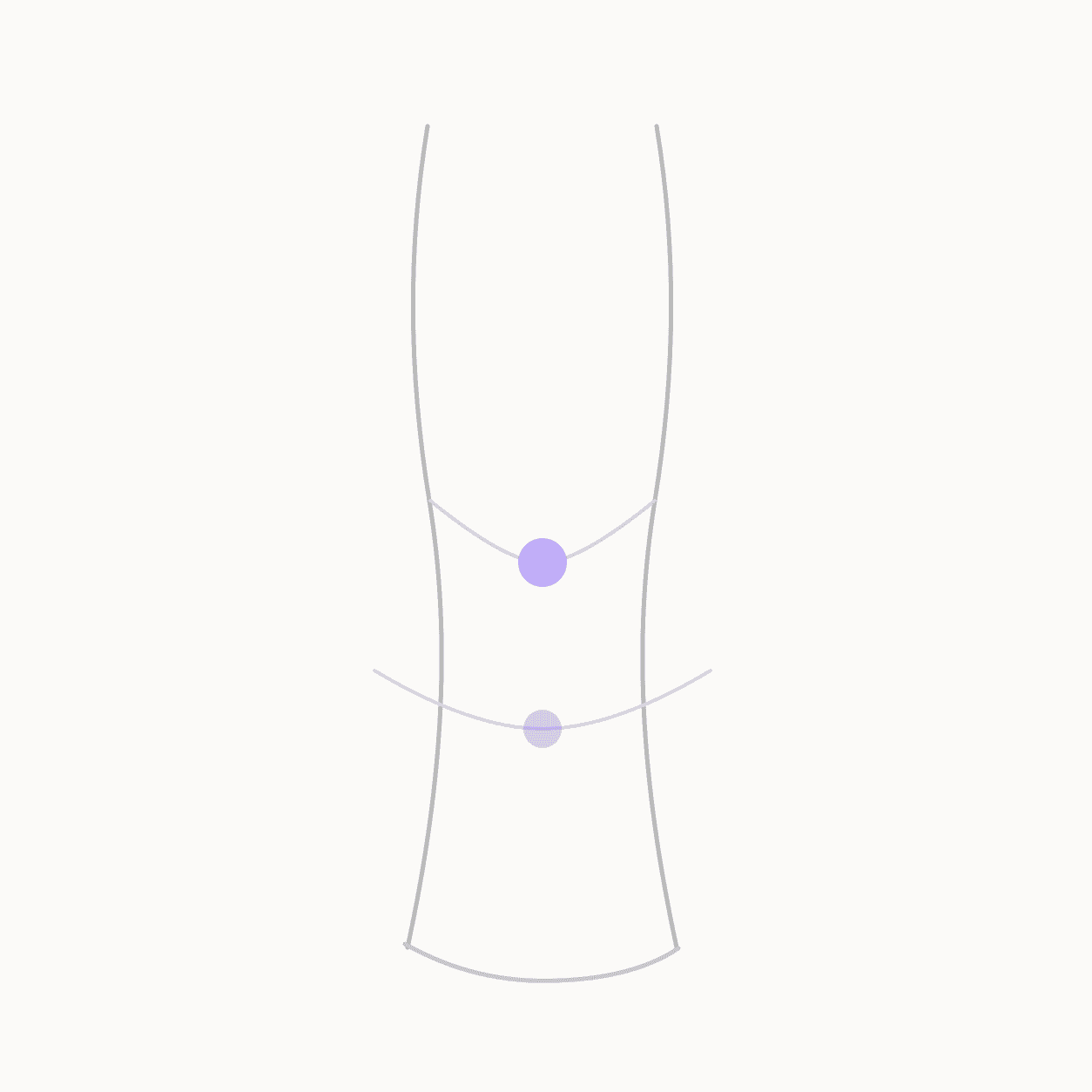
Useful starting areas for this topic include BL-25 Dachangshu, TW-4 Yangchi, and BL-60 Kunlun. Choose the point that matches the body area and feels easiest to reach without twisting, bracing, or holding your breath.
Best first rule: choose the safest reachable point, not the one that sounds strongest.
How to use these points safely
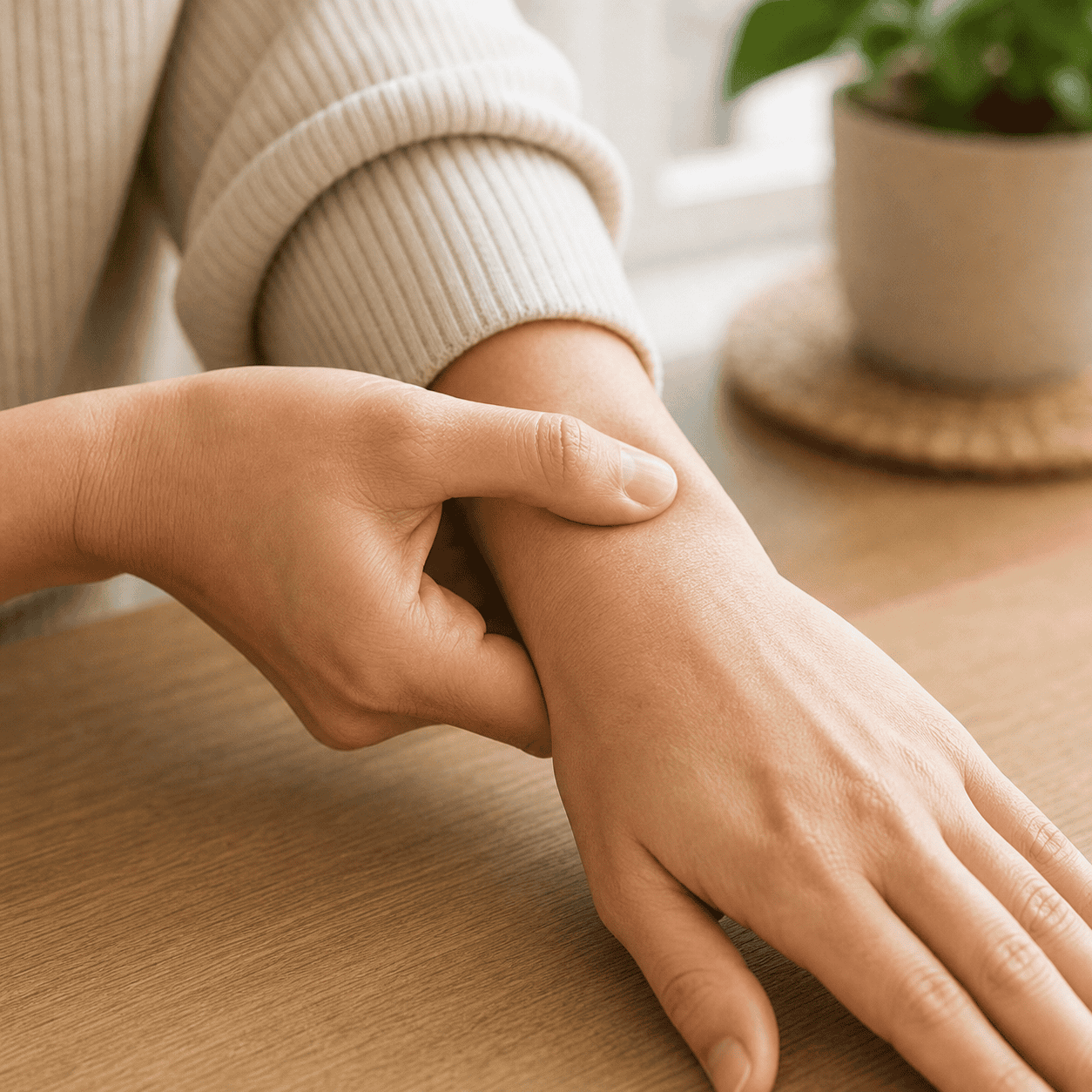
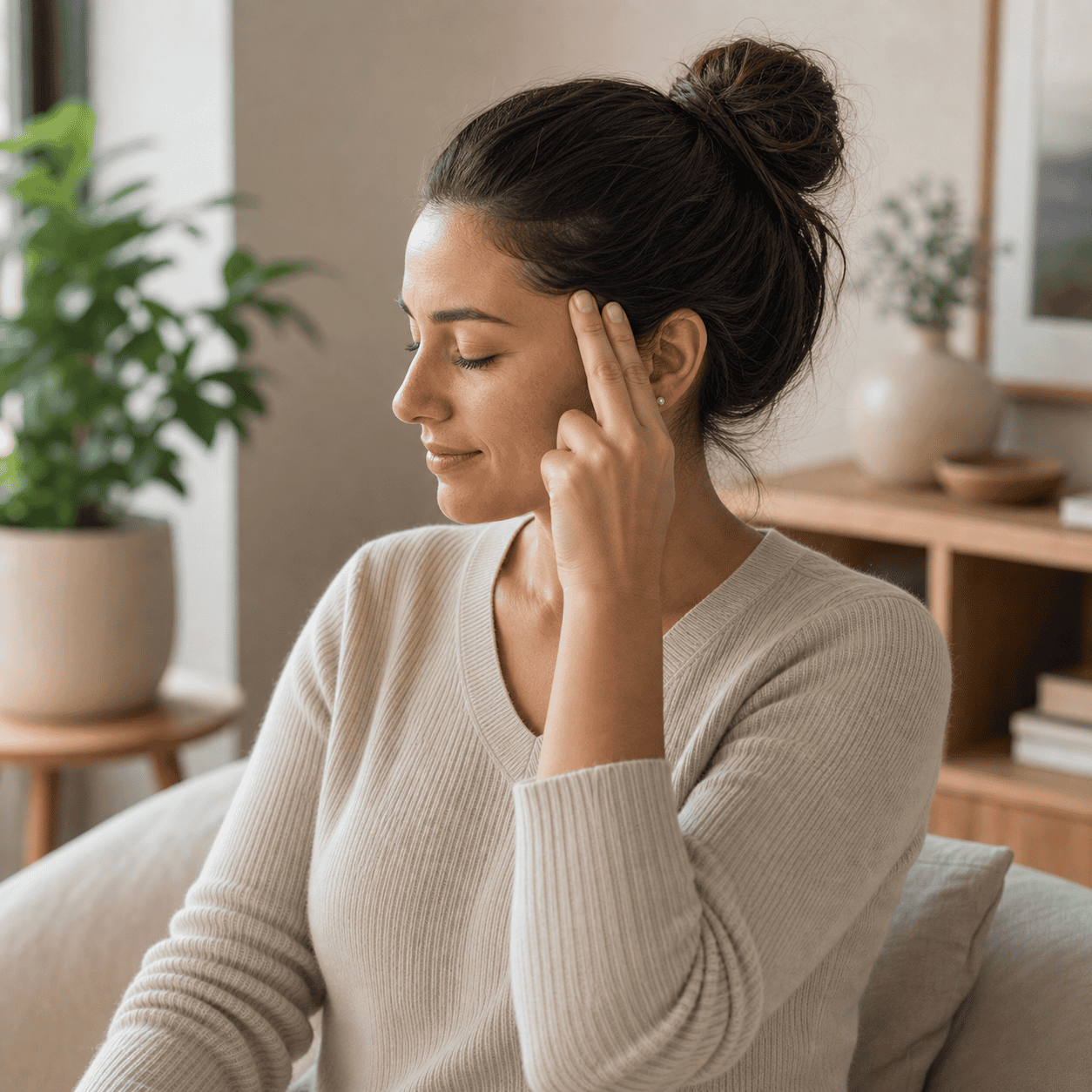
Use clean hands and a relaxed position. Press with a finger pad, thumb pad, palm heel, or soft massage ball. Hold each area for 30 to 60 seconds, then release slowly. Stay below a 5 out of 10 intensity.
Good pressure feels dull, broad, and controllable. Bad pressure feels sharp, electric, pinching, radiating, numbing, weakening, or alarming. If you notice that second pattern, stop immediately.
Use the Pressure Points app when you want guided timing and simple visual location help.
Pressure Points App
Learn how to locate and apply pressure points with guided sessions, illustrations, and step-by-step instructions. Free to download.
What acupressure can and cannot do
Acupressure can give you a structured way to pause, breathe, and apply non-painful pressure to tense tissue. For some people, that may reduce perceived tension or make it easier to shift posture and relax.
It cannot diagnose the cause of symptoms. It also cannot promise to resolve pain, nerve irritation, eye symptoms, tinnitus, restless legs, tendon pain, or a medical condition. Supportive self-care is the limit unless a qualified clinician gives you a specific plan.
What the evidence says
The evidence is mixed and depends on the condition, the study design, and the exact intervention. Sources reviewed for this article include Acupressure for Well-Being, Acupressure for Pain and Headaches, Acupuncture: Effectiveness and Safety, WHO Standard Acupuncture Point Locations in the Western Pacific Region.
The careful interpretation is practical: some acupressure or acupuncture-related approaches have been studied, but that does not mean every pressure point works for every person. In several areas, the best evidence is for broader treatment programs, not isolated self-pressure at one point.
That is why this guide uses limited language: may help some people, may support a short comfort routine, and should not replace professional care.
A simple 5-minute routine
Use this as a short reset, not as a long treatment session. First, sit or stand in a position where the symptom area can soften. Drop your shoulders, unclench your jaw, and take three slow breaths before touching any point.
Next, choose one primary point from this guide. Apply light to moderate pressure for 30 to 60 seconds. Release slowly and notice whether the symptom feels calmer, unchanged, or irritated. If it feels irritated, stop there. If it feels neutral or helpful, you can try one more point.
After the pressure work, move the area gently. The movement should be small and easy. Acupressure works best when it helps you shift out of bracing, not when it becomes another thing to force.
Common mistakes to avoid
The biggest mistake is pressing the most painful spot and assuming that means the point is correct. A tender area can simply be irritated tissue. If pressure feels sharp, electric, burning, numbing, or spreading, it is not a useful signal. It is a reason to stop.
Another mistake is using too many points. A long routine can feel comprehensive, but it is not always better for the reader. Start with one or two points, then judge the result.
Do not use acupressure to test whether a symptom is serious. If symptoms involve weakness, numbness, vision changes, chest symptoms, trouble breathing, fever, severe headache, jaw locking, trauma, pregnancy concerns, or bowel or bladder changes, the decision is not about point selection. The decision is to get medical advice.
Related pressure points
Useful related AG pages include:
- How to Do Acupressure on Yourself: A Safe Beginner Guide
- Large Intestine Shu (BL-25) Pressure Point: Benefits & Technique
- Kunlun Mountains (BL-60) Pressure Point: Benefits & Technique
- Yang Pool (TW-4) Pressure Point: Benefits & Technique
Only link pressure-point work to the symptom you actually have. A point routine is not a substitute for care when symptoms are severe, sudden, spreading, or medically unclear.
When to get medical help
Get medical advice if symptoms are severe, sudden, caused by an injury, worsening, lasting longer than expected, or interfering with sleep, work, walking, chewing, breathing, vision, bladder or bowel control, or normal hand strength.
Seek urgent care for weakness, numbness, trouble breathing, chest symptoms, severe headache, vision changes, fainting, fever with stiffness, bowel or bladder changes, sudden hearing loss, one-sided swelling, or pain after major trauma.
Frequently asked questions
Which point should I try first?
Start with the safest, easiest point in the guide. If you cannot reach it comfortably, choose a broader nearby muscle area or skip the point.
How hard should I press?
Use comfortable pressure. You should be able to breathe normally and relax your face. If you brace or hold your breath, reduce pressure.
How long should I hold each point?
Use 30 to 60 seconds per point. A short routine done carefully is better than a long routine that irritates tissue.
Can I do this every day?
For mild, familiar tension, many people use short self-care daily. If the area gets sore, symptoms worsen, or you need more pressure each time, stop and reassess.
Is acupressure enough on its own?
No. It is a support habit. Depending on the symptom, you may also need ergonomic changes, rest, movement, dental care, eye care, physical therapy, sleep support, or medical evaluation.
Bottom line
How to Find Acupressure Points on Your Body should be framed as gentle supportive self-care. Use light to moderate pressure, short timing, and clear stop signals.
The most useful routine is the one you can repeat without pain and without ignoring red flags.
This article is for educational purposes only and is not medical advice. Acupressure may be useful as supportive self-care, but it should not replace diagnosis or treatment from a qualified clinician. Seek urgent care for severe, sudden, or worsening symptoms.
Author

Free Mobile App
Find Pressure Points on the Go
Interactive 3D body map with 100+ acupressure points, step-by-step guides, and personalized routines.
Download Free App →