Acupressure Mat Benefits: 10 Science-Backed Reasons to Use One Daily (2026)
Most wellness products I have tried ended up collecting dust after a few weeks. The acupressure mat is the exception. I have been using mine every single day for over two years now, and the benefits are not subtle. They are the kind of changes you actually notice in your body, your sleep, and your stress levels.
But I am not going to ask you to take my word for it. Every benefit on this list is backed by published clinical research. Some of the evidence is stronger than others, and I will be upfront about that too. Here are the real, science-backed benefits of using an acupressure mat consistently.
1. Back Pain Relief
This is the number one reason most people buy an acupressure mat, and the evidence here is solid.
A 2021 randomized controlled trial published in Applied Sciences tested acupressure mats combined with therapeutic exercise on people with chronic low back pain. The group using the mats showed significantly greater pain reduction compared to the exercise-only group. The researchers concluded that acupressure mats were an effective complementary treatment.
An earlier EU-sponsored clinical study in 2014 tested the Pranamat specifically and found meaningful reductions in pain intensity after consistent use.
From personal experience, this is the benefit that sold me. I started using my mat because of chronic tension in my upper back from desk work. The persistent tightness between my shoulder blades that I had been dealing with for months started to ease within the first two weeks of daily use. After two months of consistent sessions, it was essentially gone.
The mechanism is straightforward. The spikes apply sustained pressure across hundreds of points on your back simultaneously. This triggers muscle relaxation in a similar way to deep tissue massage, but across a much wider area at once.
2. Stress and Anxiety Reduction
A 2024 study published in Applied Psychology: Health and Well-Being found that regular acupressure mat use significantly reduced subjective stress levels. Participants who used the mat consistently reported lower stress and better emotional regulation compared to the control group.
This makes physiological sense. The initial discomfort of lying on the spikes triggers an endorphin release, which activates your parasympathetic nervous system. That is the “rest and digest” mode that directly counteracts your body’s stress response. You are essentially giving your nervous system a manual reset.
I notice this most on days when I come home wound up from work. Twenty minutes on the mat and my whole system downshifts. It is not instant or dramatic. It is more like a gradual unwinding that leaves you noticeably calmer by the time you stand up.
If your nervous system tends to run hot, this one benefit alone makes the mat worth having.
3. Better Sleep Quality
This is where the research gets really compelling.
A 2024 meta-analysis reviewed 41 randomized controlled trials with a total of 3,680 participants and found that acupressure significantly improved sleep quality, particularly in people already experiencing sleep difficulties. An earlier 2018 meta-analysis of 32 RCTs found improvements of 13 to 19 percent on the Pittsburgh Sleep Quality Index.
And a 2025 meta-analysis looking at acupressure specifically for cancer patients (22 RCTs, 2,113 participants) found significant sleep improvements even in that population, suggesting the benefit extends to people dealing with serious illness.
I use my mat 20 to 30 minutes before bed every night, and this is the benefit I rely on most. The difference in how quickly I fall asleep is significant. On nights I skip it, I lie there longer. My mind does not quiet down as fast. It has become as much a part of my sleep routine as turning off the lights.
4. Increased Blood Circulation
A 2024 study published in the European Journal of Applied Physiology measured blood flow changes during acupressure and found a real, measurable increase in local circulation. The effect was consistent across participants and statistically significant.
Better blood circulation means more oxygen and nutrients reaching your muscles, and faster removal of metabolic waste products like lactic acid. This is part of why your back feels warm and loose after a session on the mat, and why people who use acupressure mats regularly report less overall muscle stiffness.
The increased blood flow is also visible. When you stand up after 20 minutes on the mat, your back will be slightly red where the spikes pressed. This is completely normal and fades within 30 minutes. It is a visual confirmation that circulation increased in those areas.
5. Natural Endorphin Release
When you first lie on an acupressure mat, it hurts. The spikes feel sharp and your instinct is to get up. But if you stay for 3 to 5 minutes, something shifts. The discomfort fades and a wave of warmth and relaxation takes over.
That shift is your endorphin system kicking in. The spikes create enough pressure to trigger your body’s natural pain-response mechanism, which floods the area with endorphins and oxytocin. This is the same well-documented response that occurs with acupuncture, deep tissue massage, and intense exercise.
The endorphin release is why so many people describe feeling “high” or deeply relaxed after a mat session. It is not a placebo effect. It is a measurable neurochemical response that your body produces in reaction to the sustained pressure stimulus.
This is also why the first few sessions feel so different from the tenth or twentieth. Your body learns to trigger the endorphin response faster with repeated use.
6. Muscle Tension and Trigger Point Release
If you have ever had a massage therapist find a knot in your back and press on it until it released, you know what trigger point therapy feels like. An acupressure mat does essentially the same thing, but across your entire back at once.
The sustained pressure from the spikes works on myofascial trigger points, those tight, painful spots in muscles that refer pain to other areas. When you lie on the mat, your body weight creates consistent, even pressure on these points, encouraging the muscle fibers to let go.
I carry tension in my trapezius muscles and the area between my shoulder blades. After 15 to 20 minutes on the mat, I can feel those muscles soften. The tightness that builds up during a full day of desk work gets a genuine reset. It is not as targeted as a professional massage, but the convenience of doing it every single day makes up for that.
For people who sit at desks all day, this is one of the most practical benefits. You cannot get a massage every evening, but you can lie on your mat for 20 minutes.
7. Headache and Migraine Relief
Research on acupressure as a broader technique has shown consistent evidence for headache relief. A systematic review found that acupressure reduced headache intensity and frequency across multiple studies.
Many headaches, particularly tension headaches, originate from tight muscles in the neck, shoulders, and upper back. When an acupressure mat releases tension in those areas, it addresses one of the root causes rather than just masking the symptom.
I get tension headaches when I have been staring at screens for too long without a break. Lying on my mat with my neck on the acupressure pillow for 15 minutes reliably takes the edge off. It does not work as fast as ibuprofen, but it works without the side effects, and with consistent use the headaches become less frequent in the first place.
If you suffer from chronic tension headaches, using the mat daily as prevention is more effective than using it only when a headache hits.
8. Faster Post-Workout Recovery
The combination of increased blood flow, endorphin release, and muscle relaxation makes acupressure mats genuinely useful for exercise recovery.
Increased circulation brings more oxygen to fatigued muscles and speeds up the removal of metabolic waste products. The muscle relaxation effect helps reduce post-exercise tightness. And the endorphins provide natural pain relief for that next-day soreness.
I use my mat after long runs and intense gym sessions. It does not replace proper stretching or foam rolling, but it adds another layer of recovery that I notice. My legs feel less heavy the next morning, and the general post-workout stiffness resolves faster.
Several athletes and fitness professionals have incorporated acupressure mats into their recovery protocols for exactly these reasons. It is a passive recovery tool, meaning you just lie there. After an exhausting workout, that is exactly what you want.
9. Improved Energy and Alertness
This one surprised me. I expected the mat to make me sleepy, and it does when I use it before bed. But when I use it in the afternoon, particularly after lunch when energy dips, the effect is the opposite. I feel more alert and focused afterward.
The mechanism is likely the combination of increased circulation and the endorphin boost. More blood flow means more oxygen to your brain, and endorphins naturally elevate mood and mental clarity.
A number of users report similar experiences. Morning or midday sessions on the mat leave them feeling energized rather than drowsy. The parasympathetic activation seems to reset the nervous system, clearing out the mental fog that accumulates during a busy day.
If you work from home, a 15-minute mat session during your afternoon slump can be more effective than a cup of coffee. And unlike caffeine, it will not interfere with your sleep later.
10. Reduced Reliance on Pain Medication
This is not a benefit I can point to a single study for, but it follows logically from the pain relief evidence. If acupressure mats provide genuine, measurable pain reduction for chronic back pain, neck tension, and headaches, then consistent use should reduce how often you reach for over-the-counter painkillers.
Multiple clinical studies on acupressure as a technique have suggested it can complement or partially replace pharmacological pain management for mild to moderate chronic pain. The 2021 RCT on acupressure mats for back pain showed that participants in the mat group needed less additional pain relief than the control group.
I used to take ibuprofen 2 to 3 times a week for back and neck tension. Since I started using my mat daily, I take it maybe once or twice a month. That is not a clinical trial, but it is a meaningful change in my daily life.
Obviously, if you are on prescribed pain medication, talk to your doctor before changing anything. An acupressure mat is a complement to medical care, not a replacement.
How to Get the Most Out of Your Acupressure Mat
The benefits above are real, but they depend on one thing: consistency. Using an acupressure mat once a week will give you a pleasant relaxation session. Using it every day is what produces the cumulative benefits that the research supports.
Here is what works for me after two years of daily use.
Start with 10 to 15 minutes. If you are a beginner, that is enough. Work up to 20 to 30 minutes over the first two weeks.
Use it on bare skin. The therapeutic effect is stronger with direct skin contact. If the sensation is too intense at first, start with a thin t-shirt and transition to bare skin as your body adapts.
Be consistent with timing. I use mine before bed for sleep benefits, but morning or afternoon sessions work well for energy and pain relief. Pick a time that fits your routine and stick with it.
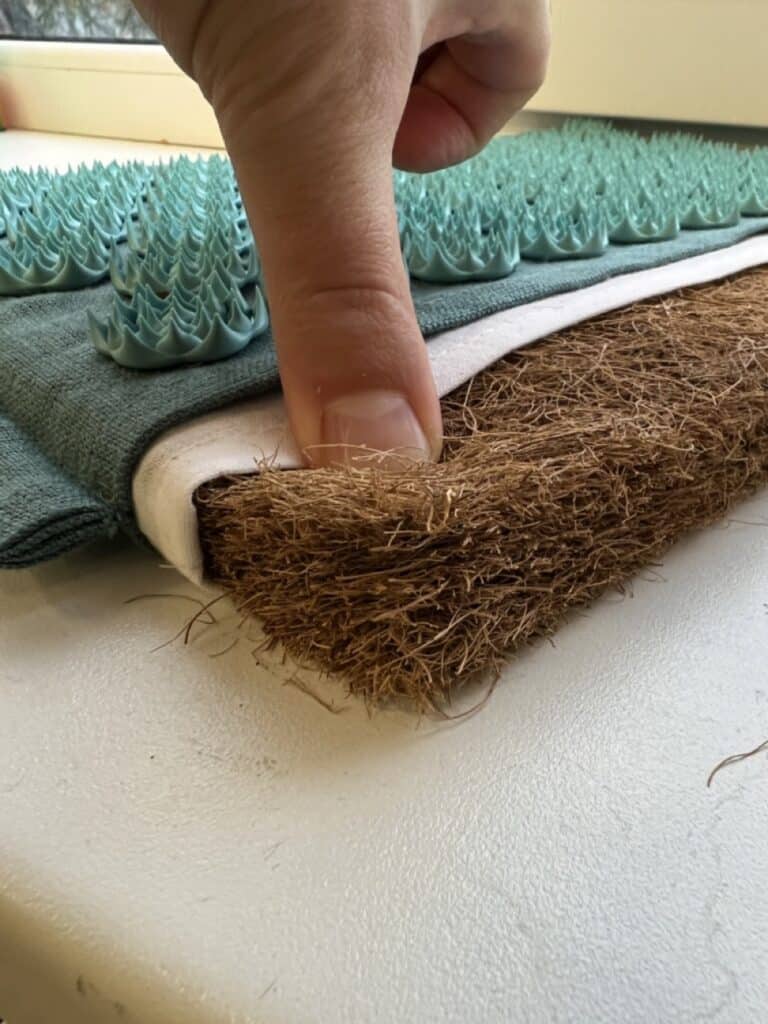
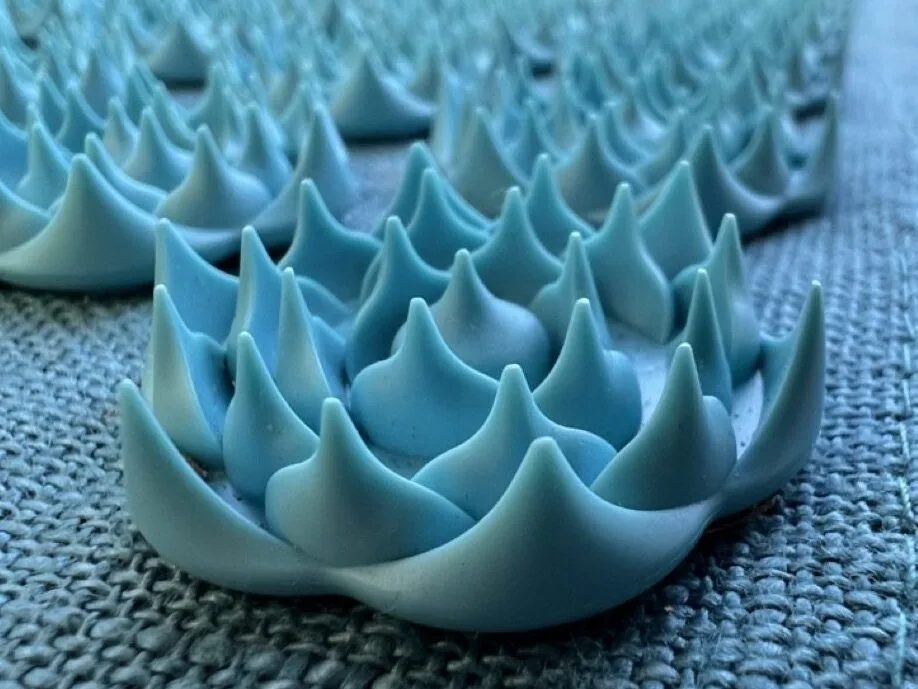
The quality of your mat matters. Budget mats in the $20 to $50 range work, but the spike design, foam density, and materials make a real difference for daily use. A premium mat like the Pranamat uses HIPS plastic lotus-flower spikes that distribute pressure more evenly, natural linen and cotton covers that are better for bare skin contact, and dense foam that maintains its shape after years of use. At roughly $27 per year over its 4-plus year lifespan, it costs about the same per year as replacing a budget mat every 12 to 18 months.
Acupressure Guide readers can use the exclusive coupon code ACUPRESSUREGUIDE for a special discount on Pranamat.
Who Should NOT Use an Acupressure Mat
Acupressure mats are safe for most healthy adults, but there are exceptions.
Do not use one if you have a bleeding disorder or are taking blood thinners, as the spike pressure can cause bruising. Avoid them if you have open wounds, skin infections, or active dermatitis on the area you would be lying on. Pregnant women should consult their doctor first, particularly in the first trimester.
If you have a serious spinal condition, heart condition, or are undergoing cancer treatment, talk to your doctor before starting. The mats are low-risk, but not zero-risk for people with specific medical conditions.
My Bottom Line After Two Years
Every benefit on this list is something I have personally experienced through daily use. The back pain relief, the better sleep, the stress reduction, the reduced need for painkillers. These are not theoretical. They are part of my daily routine now.
The research backs up what I feel. Not every study is perfect, and more research specifically on acupressure mats (rather than acupressure as a technique) would be welcome. But the trend across dozens of clinical trials is clear and consistent: acupressure works, and mats are a practical way to get the benefits at home every day.
If you are curious, give it at least two weeks of daily use before judging. The first few sessions are not representative of the long-term experience.
Acupressure Guide readers can use the exclusive coupon code ACUPRESSUREGUIDE for a special discount on Pranamat.
Frequently Asked Questions
What are the main benefits of using an acupressure mat?
The most well-supported benefits are back pain relief, stress reduction, improved sleep quality, increased blood circulation, and natural endorphin release. Clinical research supports all of these, with pain relief and sleep improvement having the strongest evidence base. Most users also report reduced muscle tension and faster post-workout recovery.
How long does it take to feel the benefits of an acupressure mat?
You will feel the immediate warmth and relaxation within your first session, usually after 5 to 10 minutes as endorphins kick in. For longer-term benefits like reduced chronic pain and better sleep quality, give it at least two weeks of consistent daily use to see meaningful changes.
Can an acupressure mat help with anxiety?
Yes. A 2024 study published in Applied Psychology: Health and Well-Being found that regular acupressure mat use significantly reduced stress levels. The endorphin release and parasympathetic nervous system activation triggered by the spikes create a measurable calming effect that helps with both acute stress and general anxiety.
Is it safe to use an acupressure mat every day?
For most healthy adults, daily use is not only safe but recommended. The benefits of acupressure mats are cumulative, meaning regular daily sessions produce better results than occasional use. Most clinical studies showing positive outcomes involved repeated, consistent use over weeks.
Do acupressure mats help with sleep?
This is one of the strongest evidence-backed benefits. A 2024 meta-analysis of 41 RCTs with 3,680 participants found significant sleep quality improvements from acupressure. Using the mat 15 to 20 minutes before bed is one of the most popular and effective use cases.
What is the best acupressure mat to buy?
The quality of your mat affects the benefits you get. Budget mats ($20 to $50) work for testing the concept but use harder plastics and thinner foam. Premium mats like the Pranamat ($109+) use lotus-flower HIPS spikes for better pressure distribution, natural materials, and denser foam that lasts 4-plus years. For daily use, the investment in quality pays off.
Can acupressure mats replace massage therapy?
Not entirely, but they can supplement it effectively. A professional massage therapist provides targeted treatment that a mat cannot replicate. However, a mat gives you daily access to broad-area pressure therapy, muscle relaxation, and endorphin release without the cost or scheduling of regular massage appointments. Many people use both.
Related Reading
- Do Acupressure Mats Work? What the Science Actually Says (2026)
- The 8 Best Acupressure Mats of 2026 (Tested Daily for Over a Year)
- Shakti Mat vs Pranamat: Which One Is Actually Worth Your Money? (2026)
- Pranamat Review: Is It Worth The Price?
- How to Use an Acupressure Mat for Back Pain
Author

Free Mobile App
Find Pressure Points on the Go
Interactive 3D body map with 100+ acupressure points, step-by-step guides, and personalized routines.
Download Free App →