What Is Acupressure? How It Works, Benefits, and What the Science Says (2026 Guide)
Acupressure is a healing practice rooted in Traditional Chinese Medicine (TCM) that uses firm finger pressure on specific points of the body to relieve pain, reduce tension, and promote natural healing. Unlike acupuncture, which uses needles, acupressure relies entirely on touch — making it one of the few evidence-based therapies you can safely practice on yourself at home.
The practice dates back over 2,000 years to ancient China, where healers mapped an intricate network of energy pathways (called meridians) across the body. Modern research has validated many of these traditional claims: a 2019 systematic review in Pain Management Nursing analyzing 52 clinical trials confirmed that acupressure produces statistically significant reductions in pain across multiple conditions.
This guide explains exactly how acupressure works — both the traditional theory and the modern scientific understanding — what conditions it can help with, what the research says, and how to start using it effectively.
How Acupressure Works: The Traditional and Scientific Explanations
The Traditional Chinese Medicine View
In TCM, health depends on the balanced flow of vital energy (called qi, pronounced “chee”) through 14 major meridian pathways that connect organs, tissues, and systems throughout the body. Each meridian has specific points — called acupoints or pressure points — where the energy flow can be accessed and influenced from the surface of the skin.
When qi flows freely, the body stays healthy. When it becomes blocked or imbalanced — due to stress, injury, poor diet, or emotional factors — symptoms like pain, fatigue, and illness can develop. Acupressure aims to restore the natural flow of qi by applying pressure to specific acupoints, releasing blockages and rebalancing energy circulation.
The TCM meridian system identifies over 360 classical acupoints, each associated with specific therapeutic effects. These points are organized along meridian lines named after the organs they influence — such as the Lung meridian, Large Intestine meridian, Stomach meridian, and so on.
The Modern Scientific Explanation
While Western science does not accept the concept of qi or meridians as literal energy channels, research has identified several measurable biological mechanisms that explain why acupressure works:
Endorphin release: Applying sustained pressure to acupoints triggers the release of endorphins — the body’s natural painkillers. A study published in the Journal of Pain demonstrated that acupoint stimulation activates the descending pain-inhibitory system, reducing pain perception through the same opioid pathways that medications target.
Gate control theory: Pressure stimulation at acupoints sends competing nerve signals to the spinal cord, effectively “closing the gate” on pain signals traveling from the affected area to the brain. This is the same mechanism that makes you instinctively rub a bumped elbow — the pressure signals override the pain signals.
Fascia and connective tissue response: Research by Dr. Helene Langevin at Harvard Medical School has shown that acupoints correspond to locations where connective tissue (fascia) planes intersect. Applying pressure at these intersections creates a mechanical signal that travels through the fascial network, influencing cellular behavior and reducing inflammation.
Autonomic nervous system regulation: Acupressure has been shown to shift the autonomic nervous system from sympathetic (“fight or flight”) dominance toward parasympathetic (“rest and digest”) activation. This explains its documented effects on reducing heart rate, lowering blood pressure, and decreasing cortisol levels.
Local blood flow increase: Sustained pressure on acupoints increases regional blood circulation by 40–100% according to Doppler ultrasound studies. Increased blood flow brings more oxygen and nutrients to the area while removing inflammatory metabolites.
What Conditions Can Acupressure Help With?
Acupressure has been studied for dozens of conditions. The evidence is strongest for the following:
Pain Relief
Pain management is the most well-researched application of acupressure. Clinical trials have demonstrated significant benefits for chronic low back pain, headaches and migraines, menstrual cramps (dysmenorrhea), neck and shoulder tension, osteoarthritis pain, and post-surgical pain. A 2018 meta-analysis in the Journal of Pain and Symptom Management found that acupressure reduced pain intensity by an average of 1.59 points on a 10-point pain scale compared to sham treatment — a clinically meaningful reduction comparable to over-the-counter analgesics.
Nausea and Vomiting
The Neiguan point (PC-6) on the inner wrist is one of the most thoroughly validated acupressure points in all of medicine. A Cochrane systematic review examining 59 trials with over 7,000 participants confirmed that PC-6 stimulation significantly reduces nausea and vomiting from chemotherapy, pregnancy (morning sickness), post-surgery anesthesia, and motion sickness. This evidence is so strong that many hospitals now offer acupressure wristbands to patients as standard post-operative care.
Stress, Anxiety, and Sleep
Acupressure’s ability to activate the parasympathetic nervous system makes it effective for stress-related conditions. Research has shown significant improvements in generalized anxiety, insomnia and sleep quality, fatigue (particularly cancer-related fatigue), and stress-induced muscle tension. A 2018 randomized controlled trial found that a 4-week self-administered acupressure program improved sleep quality by 38% in adults with chronic insomnia, with effects lasting at least 2 weeks after treatment stopped.
Other Researched Applications
Emerging research also supports acupressure for sinus congestion and allergic rhinitis, digestive issues including constipation and bloating, labor pain management, blood pressure regulation, and cognitive function in elderly adults. While the evidence for some of these applications is still developing, the consistent pattern across studies is that acupressure provides meaningful symptom relief with virtually no risk of side effects.
Acupressure vs. Acupuncture: Key Differences
Acupressure and acupuncture are both rooted in TCM and target the same meridian points, but they differ in several important ways:
Method of stimulation: Acupuncture uses thin needles inserted into the skin, while acupressure uses finger, thumb, or tool-based pressure on the skin’s surface. Neither should be painful when performed correctly.
Practitioner requirements: Acupuncture must be performed by a licensed practitioner (requirements vary by state/country). Acupressure can be safely self-administered after learning the correct point locations and techniques.
Depth of stimulation: Acupuncture needles penetrate to specific depths within the tissue, allowing more precise targeting of deep acupoints. Acupressure works primarily through surface and shallow-tissue stimulation.
Research base: Acupuncture generally has a larger body of clinical research, particularly for chronic pain conditions. However, acupressure research has grown significantly since 2010, with hundreds of new clinical trials published in the past decade.
Accessibility: This is acupressure’s greatest advantage. Because it requires no needles, no equipment, and no practitioner, anyone can learn and practice it immediately. This makes it ideal for daily self-care, managing symptoms between professional treatments, and situations where professional care is not available.
How to Do Acupressure on Yourself: A Beginner’s Guide
One of acupressure’s biggest advantages is that you can practice it at home with just your hands. Here is a step-by-step guide to getting started:
Step 1: Find the Right Point
Each acupressure point has a specific anatomical location described relative to bones, muscles, and tendons. When you find the correct spot, you will typically feel a slight tenderness, a dull ache, or a sensation that is distinctly different from the surrounding tissue. This tenderness is actually a positive sign — it indicates you have found an active acupoint. Use the Acupressure Guide app for an interactive 3D body map that shows exact point locations.
Step 2: Apply the Right Amount of Pressure
Use your thumb, index finger, or middle finger to press the point. The correct pressure level is firm enough to produce a sensation of “pleasant pain” — a deep, dull ache that feels therapeutic rather than sharp or uncomfortable. On a 1–10 scale, aim for about a 6–7 in intensity. Start lighter and gradually increase until you find the right level.
Step 3: Hold and Breathe
Once you have found the point and applied the right pressure, hold it steadily for 1–3 minutes. Breathe slowly and deeply — inhaling through your nose for 4 counts, holding for 2 counts, and exhaling through your mouth for 6 counts. Deep breathing activates the parasympathetic nervous system, amplifying the effects of the acupressure.
Step 4: Add Circular Motions (Optional)
For some points, adding small circular motions while maintaining pressure can enhance the effect. Alternate between clockwise and counterclockwise circles every 10–15 seconds. This technique is particularly effective for points on the face (for sinus relief) and on the neck and shoulders (for tension headaches).
Step 5: Work Both Sides
Most acupressure points exist on both sides of the body (bilateral points). Always work the point on both sides for balanced treatment. You can press both sides simultaneously using both thumbs, or work one side at a time.
5 Essential Pressure Points Every Beginner Should Know
While there are over 360 acupressure points on the body, these five are the most versatile and widely applicable. Learning just these five will give you effective self-treatment options for the most common everyday complaints:
LI-4 (Hegu) — Between thumb and index finger: The master point for pain relief anywhere in the head and face. Effective for headaches, toothache, sinus congestion, and general pain. Avoid during pregnancy.
PC-6 (Neiguan) — Inner wrist, two thumb-widths below the crease: The anti-nausea point, backed by extensive clinical research. Effective for nausea from any cause — motion sickness, morning sickness, chemotherapy, or post-surgery.
GB-20 (Fengchi) — Base of the skull, in the hollows beside the spine: The headache and tension point. Relieves headaches, neck stiffness, eye strain, and dizziness. Also helps with sinus drainage.
LV-3 (Taichong) — Top of the foot, between the first and second toes: The stress and emotional regulation point. Helps with anxiety, irritability, insomnia, and high blood pressure. Known as the “Great Surge” point for its powerful calming effect.
ST-36 (Zusanli) — Below the knee, on the outer shin: The energy and digestion point. Boosts overall vitality, relieves digestive issues, strengthens immunity, and combats fatigue. One of the most important points in all of TCM.
Acupressure Tools and Devices
While your fingers are the primary tool for acupressure, several devices can enhance or complement finger-based practice:
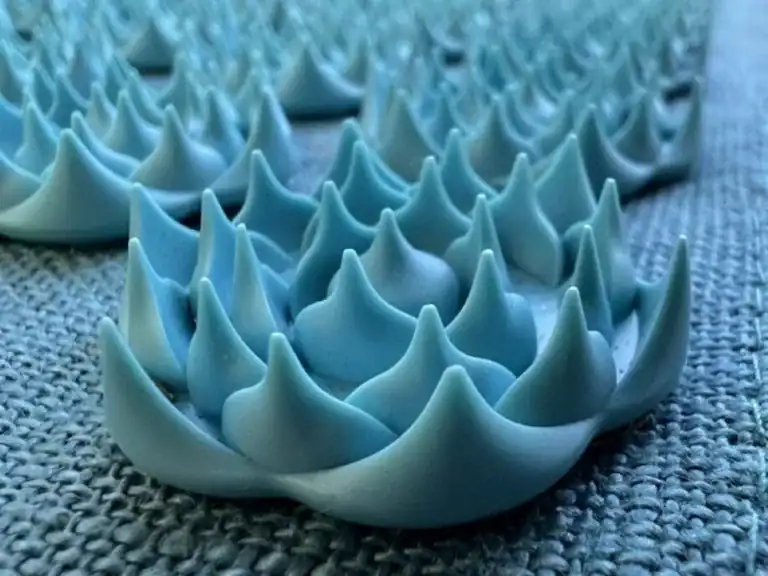
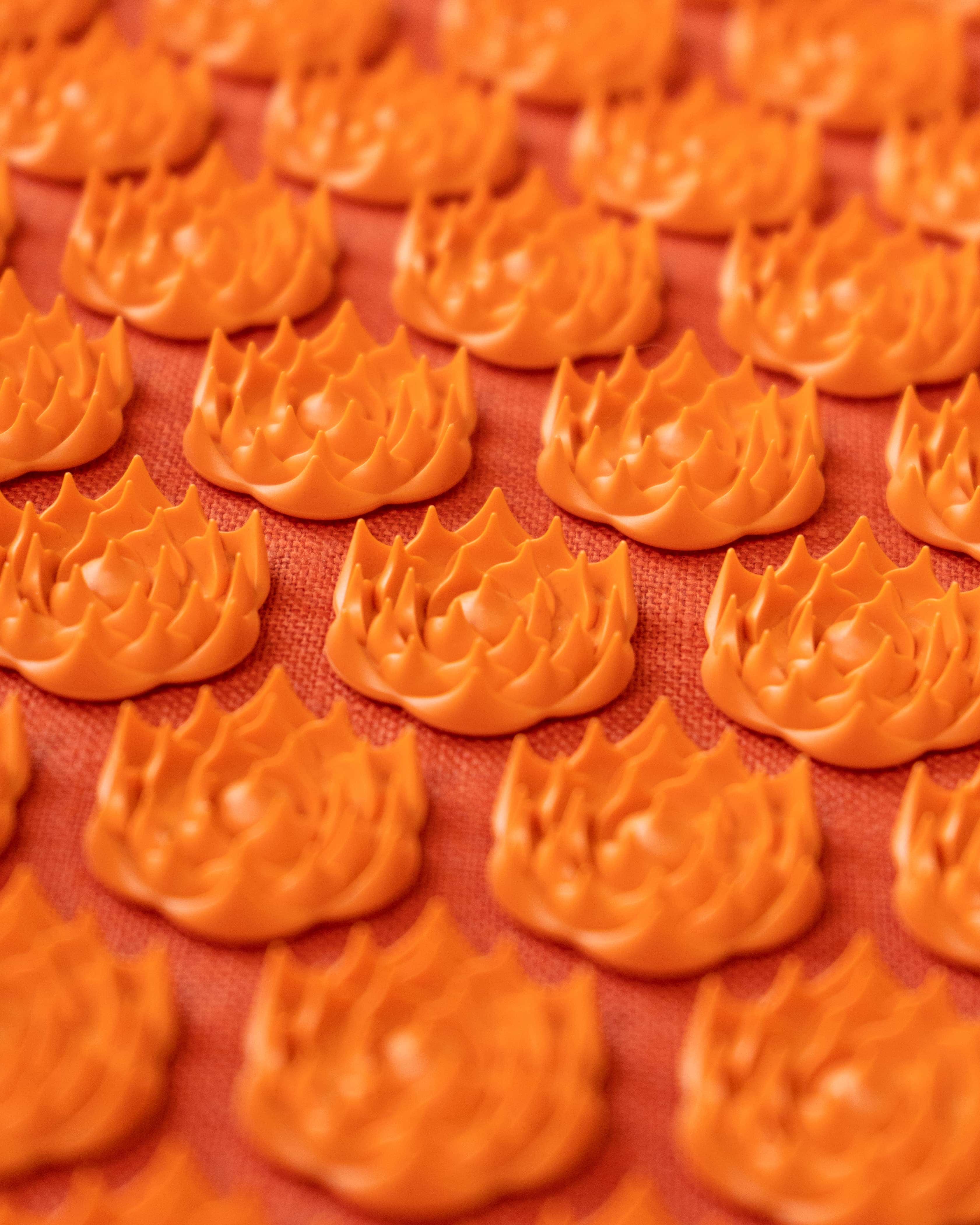
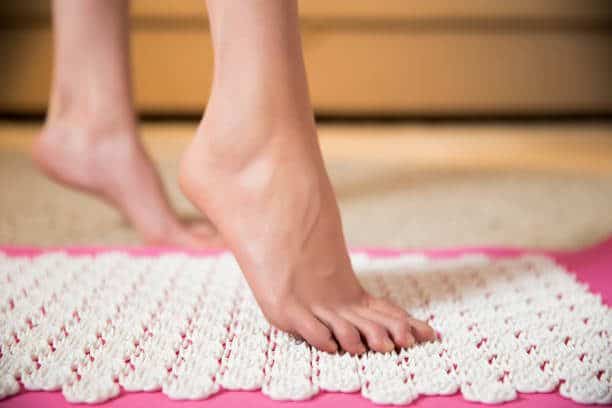
Acupressure mats: These mats feature thousands of small plastic spikes that stimulate hundreds of acupoints across your back simultaneously. Lying on one for 15–30 minutes triggers a broad endorphin release, relieves back tension, and improves sleep quality. They are one of the most popular acupressure tools for home use.
Acupressure pillows: Designed to target the neck and shoulder area, these work on the same principle as acupressure mats but focus stimulation on the cervical spine and upper trapezius muscles — common areas for tension headaches and stress-related pain.
Acupressure rings and clips: Small wearable devices that apply sustained pressure to specific hand or ear points. Wrist-based devices targeting PC-6 (like Sea-Bands) are commonly used for nausea relief during pregnancy and travel.
Acupressure balls and rollers: Hard rubber or wooden balls that allow you to reach points on your back, feet, and other areas that are difficult to access with your fingers. Foot rollers are particularly popular for stimulating reflexology points on the soles of the feet.
What to Expect During a Professional Acupressure Session
If you choose to see a professional acupressure practitioner, here is what a typical session involves:
A session typically lasts 45–75 minutes. You remain fully clothed (wear loose, comfortable clothing) and lie on a padded massage table. The practitioner begins with a brief health history and assessment, asking about your symptoms, medical conditions, and treatment goals.
During the session, the practitioner uses their thumbs, fingers, palms, and sometimes elbows to apply firm, sustained pressure to specific acupoints. The pressure level is adjusted based on your comfort and the therapeutic goal. You may feel a deep, dull ache at the pressure points — this is normal and indicates the point is being effectively stimulated.
Many people feel deeply relaxed during and after a session, sometimes even falling asleep. Some experience a mild “processing” period of 24–48 hours after the first session where symptoms may temporarily shift before improving. It is common to need 3–6 sessions for chronic conditions before seeing sustained improvement.
Safety and Precautions
Acupressure is one of the safest complementary therapies available. When performed correctly, side effects are extremely rare and typically limited to temporary soreness at the pressure points. However, there are some important precautions to be aware of:
Pregnancy: Several acupressure points — particularly LI-4 (hand webbing), SP-6 (inner ankle), and BL-67 (small toe) — can stimulate uterine contractions and should be avoided during pregnancy unless under the guidance of a qualified practitioner.
Blood clotting disorders: People taking blood-thinning medications or those with bleeding disorders should use gentle pressure and avoid deep-tissue techniques to prevent bruising.
Open wounds or infections: Never apply acupressure directly to areas with broken skin, rashes, varicose veins, or active infections.
Cancer patients: While acupressure is generally safe and beneficial for managing cancer-related symptoms like nausea and fatigue, avoid direct pressure on or near tumors or areas undergoing radiation treatment. Always consult your oncology team first.
Recent surgery or fractures: Avoid acupressure near surgical sites or fractures until fully healed. Distant points that have referred effects on the area can still be used safely.
Frequently Asked Questions
Does acupressure really work, or is it a placebo?
The evidence goes well beyond placebo. Multiple high-quality randomized controlled trials using sham acupressure (pressing non-acupoints) as a control have shown that real acupressure at correct points produces significantly better outcomes than sham treatment. The 2019 systematic review in Pain Management Nursing analyzed 52 trials and confirmed statistically significant effects. Additionally, neuroimaging studies show measurable changes in brain activity during acupoint stimulation that do not occur with sham stimulation.
How long does it take for acupressure to work?
For acute symptoms like headaches, nausea, or sinus congestion, relief often begins within 1–5 minutes of sustained pressure on the correct points. For chronic conditions like ongoing back pain or insomnia, most people notice improvement after 1–2 weeks of daily practice, with continuing improvement over 4–8 weeks.
Can I do acupressure on myself?
Yes — self-acupressure is safe and effective for most conditions. Research trials frequently use self-administered acupressure protocols with excellent results. The key is learning the correct point locations and applying adequate pressure. Points on the hands, wrists, face, head, and lower legs are the easiest to self-treat. Points on the back are harder to reach alone, which is where tools like acupressure mats become valuable.
How often should I practice acupressure?
For general wellness and stress management, once or twice daily for 10–15 minutes is sufficient. For specific symptom relief (like headaches or nausea), you can practice as needed — there is no limit to how frequently you can safely do acupressure. For chronic conditions, daily practice for at least 4 weeks gives the best results.
Is acupressure covered by insurance?
Coverage varies significantly by provider and plan. Some health insurance plans cover acupressure when performed by a licensed massage therapist, acupuncturist, or physical therapist as part of a treatment plan. Self-acupressure obviously has no cost at all. Check with your insurance provider for specific coverage details.
What is the difference between acupressure and reflexology?
Reflexology is a specific form of pressure-point therapy that focuses exclusively on the feet, hands, and ears, based on the theory that these areas contain “reflex zones” that correspond to every organ and system in the body. Acupressure works with the TCM meridian system and uses points across the entire body. There is some overlap — several foot and hand acupressure points coincide with reflexology zones — but the underlying theoretical frameworks are different.
Getting Started with Acupressure
Acupressure is one of the most accessible forms of natural therapy available. It requires no equipment, no medication, and no practitioner — just your hands and a few minutes of focused practice. The scientific evidence supporting its effectiveness continues to grow, with research validating benefits for pain, nausea, stress, sleep, and many other conditions.
Start with the five essential points described above. Practice daily for one week, paying attention to how your body responds. Most people notice meaningful improvements in their target symptoms within the first few sessions.
For a comprehensive, guided introduction to acupressure with interactive 3D body maps and step-by-step routines for over 70 conditions, download the Acupressure Guide app. It includes all 100+ pressure points referenced in published clinical research, with evidence ratings and detailed instructions for each one.
Author

Free Mobile App
Find Pressure Points on the Go
Interactive 3D body map with 100+ acupressure points, step-by-step guides, and personalized routines.
Download Free App →