
Acupressure Points for IBS: Pressure Points That Calm Your Gut, Reduce Bloating, and Restore Digestive Comfort (2026)
If you are living with irritable bowel syndrome, you already know that it is more than just a digestive problem. The cramping, the bloating, the unpredictable cycles of constipation and diarrhea, the anxiety about eating the wrong thing or being too far from a bathroom. IBS affects every aspect of daily life, from what you eat to where you go to how well you sleep, and the frustration of dealing with a condition that conventional medicine often struggles to manage is something that only people who live with it truly understand.
I have been working with acupressure for digestive and stress-related conditions since 2017, and IBS is one of the conditions where targeted pressure point therapy produces genuinely meaningful results. IBS is a functional gastrointestinal disorder, meaning the digestive system looks structurally normal but does not function properly. The condition involves dysregulation of the gut-brain axis, the communication system between the brain and the digestive tract, along with altered gut motility, visceral hypersensitivity, and often significant stress and anxiety components. Acupressure works because it addresses all of these mechanisms simultaneously: regulating the nervous system that controls gut function, reducing the visceral hypersensitivity that amplifies digestive sensations into pain, calming the stress response that triggers flare-ups, and directly improving the motility patterns that drive symptoms.
This guide covers the specific pressure points that target IBS, the daily protocol that produces the best results, what the research shows about acupressure for irritable bowel syndrome, and what to realistically expect as you incorporate this practice into your routine.
Why Acupressure Works for IBS
IBS is fundamentally a disorder of communication between the brain and the gut. The enteric nervous system, often called the “second brain,” contains over 500 million neurons that independently regulate digestive function. In IBS, the signals between this enteric nervous system and the central nervous system become dysregulated, creating the altered motility, hypersensitivity, and pain that characterize the condition.
Acupressure works on IBS through several mechanisms. Stimulation of specific abdominal and limb points activates the parasympathetic nervous system, which governs the “rest and digest” functions that IBS disrupts. This parasympathetic activation normalizes gut motility, reducing both the excessive contractions that cause diarrhea and cramping and the sluggish movement that causes constipation and bloating. Pressure point therapy also reduces visceral hypersensitivity, the heightened pain response to normal digestive sensations that makes IBS so uncomfortable. And the systemic relaxation that acupressure creates directly addresses the stress and anxiety components that trigger and worsen IBS flare-ups.
In Chinese medicine, IBS relates to dysfunction in the spleen and stomach systems, which govern digestion, and often involves liver qi stagnation from emotional stress that “invades” the digestive organs. The classic pattern of IBS worsening with stress reflects this liver-spleen disharmony. The points in this protocol address both the digestive dysfunction itself and the stress-driven liver qi stagnation that triggers most flare-ups.
The Best Pressure Points for IBS
ST-25 (Tianshu) – The Intestinal Regulator
Located on the abdomen, 2 inches (about 3 finger widths) to either side of the navel. Stomach 25 is the single most important point for any intestinal condition because it sits directly over the large intestine and is the “front collecting point” of the large intestine channel in Chinese medicine. This means it has the most direct influence on large intestine function of any point on the body.
For IBS, ST-25 regulates intestinal motility in both directions. It calms excessive contractions that cause diarrhea and cramping, and it stimulates sluggish motility that causes constipation and bloating. This bidirectional regulatory effect makes it valuable for all IBS subtypes: IBS-D (diarrhea predominant), IBS-C (constipation predominant), and IBS-M (mixed). The point essentially helps normalize whatever motility pattern is disrupted.
ST-25 also reduces the abdominal distension and bloating that is one of the most common and bothersome IBS symptoms. By stimulating local circulation and regulating the smooth muscle contractions of the intestinal wall, it helps trapped gas move through the system and reduces the uncomfortable pressure that builds during flare-ups.
Press gently but firmly for 2 minutes on each side simultaneously. Use the pads of your fingers rather than the tips, and press inward toward the spine. The pressure should be deep enough to feel the underlying muscular layer but not so deep that it causes sharp pain.
CV-12 (Zhongwan) – The Stomach Center
Located on the midline of the abdomen, halfway between the navel and the bottom of the breastbone. Conception Vessel 12 is the “front collecting point” of the stomach and the “influential point” for all the hollow organs of digestion, including the stomach, small intestine, large intestine, gallbladder, and bladder. This dual designation makes it arguably the single most important point for digestive regulation in the entire body.
For IBS, CV-12 addresses the upper digestive symptoms that often accompany the condition: nausea, early fullness, upper abdominal discomfort, and the sensation that food is not moving through the stomach properly. Many people with IBS experience these upper GI symptoms alongside their lower intestinal symptoms, and CV-12 treats both the local stomach dysfunction and the overall digestive coordination.
CV-12 also has powerful effects on the vagus nerve, which is the primary neural pathway connecting the brain and the gut. Stimulating this point activates vagal tone, which directly improves the brain-gut communication that IBS disrupts. This vagal activation also triggers the parasympathetic relaxation response that reduces the stress-driven component of IBS.
Press gently for 2 to 3 minutes using the pads of your fingers. This point responds best to moderate, steady pressure with slow clockwise circular motion. Avoid pressing this point immediately after eating.
ST-36 (Zusanli) – The Digestive Powerhouse
Located on the front of the lower leg, about 4 finger widths below the kneecap and 1 finger width to the outside of the shinbone. Stomach 36 is the most studied acupressure point in the world and is considered the master point for all digestive conditions. Its Chinese name, Zusanli, means “three miles on the leg,” referring to the stamina and vitality it provides.
For IBS, ST-36 is indispensable because it strengthens the entire digestive system from the top down. It improves gastric motility, enhances nutrient absorption, regulates intestinal transit time, and strengthens the spleen qi that Chinese medicine considers essential for healthy digestion. People with IBS often have weakened digestive function overall, and ST-36 rebuilds that foundational strength.
Research on ST-36 shows that it modulates the gut-brain axis directly. Studies using functional MRI have demonstrated that stimulation of this point activates specific brain regions involved in visceral sensation processing, and that this activation correlates with reduced pain perception in the gut. This means ST-36 does not just improve gut function mechanically but actually changes how the brain interprets digestive signals, addressing the visceral hypersensitivity that makes IBS so painful.
Press firmly for 2 to 3 minutes on each leg. This point tolerates and responds well to strong pressure. You should feel a deep, spreading ache that is distinctly different from surface tenderness.
SP-6 (Sanyinjiao) – The Three Yin Meeting Point
Located on the inner leg, about 4 finger widths above the inner ankle bone, just behind the shinbone. Spleen 6 is where the three yin channels of the leg (spleen, liver, and kidney) converge, making it one of the most versatile and powerful points in acupressure. For IBS, this convergence is particularly valuable because it allows a single point to address digestive function (spleen), stress response (liver), and the deeper constitutional patterns (kidney) that all contribute to the condition.
For IBS specifically, SP-6 strengthens the spleen’s role in digestion, which in Chinese medicine includes transforming food into usable energy and managing fluid metabolism. When spleen function is weak, the result is loose stools, bloating, fatigue after eating, and the sensation that food sits in the stomach undigested. These are among the most common IBS symptoms, and SP-6 directly addresses the underlying spleen deficiency.
SP-6 also calms the liver component of IBS. The liver channel’s contribution at this point means that stimulating SP-6 helps smooth liver qi stagnation, reducing the stress-driven cramping and the alternating bowel patterns that characterize IBS-M. The kidney channel contribution supports the deeper vitality that people with chronic IBS often find depleted.
Press firmly for 2 minutes on each leg. This point is often quite tender in people with digestive issues, which actually confirms it is an active and responsive point. Note: avoid this point during pregnancy.
LV-3 (Taichong) – The Stress and Spasm Soother
Located on the top of the foot, in the depression between the first and second metatarsal bones. Liver 3 is the source point of the liver channel and the most important point for smoothing liver qi stagnation, which is the primary pattern underlying stress-triggered IBS flare-ups.
For IBS, LV-3 addresses the root cause of most flare-ups: the stress response. When you experience stress, anger, frustration, or anxiety, the liver qi stagnates and “invades” the spleen and stomach, disrupting digestive function. This is the Chinese medicine explanation for why your gut reacts to emotional stress, and modern research confirms the mechanism through the gut-brain axis. LV-3 smooths this liver qi, preventing the emotional stress from translating into digestive symptoms.
LV-3 also has direct antispasmodic effects on smooth muscle throughout the body, including the intestinal smooth muscle. This makes it particularly valuable for the cramping component of IBS. The spasms that create the sharp, gripping abdominal pain during IBS flare-ups respond well to LV-3 stimulation, often relaxing noticeably within minutes.
Press firmly for 2 minutes on each foot. This point is typically tender, and the tenderness often correlates with current stress levels. The more tender it is, the more you need it.
CV-6 (Qihai) – The Sea of Energy
Located on the midline of the abdomen, about 1.5 inches (2 finger widths) below the navel. Conception Vessel 6 is known as the “Sea of Qi” because it strengthens the body’s overall vital energy. For IBS, this point addresses the fatigue, weakness, and depletion that chronic digestive dysfunction creates.
For IBS specifically, CV-6 strengthens the lower abdomen and supports healthy intestinal function. It warms the lower digestive tract, which is particularly helpful for people whose IBS worsens with cold foods or cold weather. The warming effect improves local circulation, supports healthy peristalsis, and reduces the cold, crampy pain that many IBS sufferers experience.
CV-6 also helps with the energy depletion that chronic IBS creates. When the digestive system is not functioning properly, the body cannot efficiently extract energy from food, leading to the fatigue and weakness that many people with IBS experience alongside their digestive symptoms. CV-6 rebuilds this foundational energy reserve.
Press gently for 2 minutes using warm hands. This point responds best to sustained, gentle pressure with a warming intention. Placing your palm flat over this area and pressing with the heel of your hand creates a broad, warming stimulation that many people find deeply comforting during IBS discomfort.
LI-4 (Hegu) – The Pain and Tension Releaser
Located on the back of the hand, in the web between the thumb and index finger. Large Intestine 4 is the master point for pain in the face, head, and abdomen, and it has specific effects on the large intestine through its channel connection. For IBS, LI-4 provides systemic pain relief through endorphin release while simultaneously regulating large intestine function through the channel pathway.
For IBS, LI-4 is particularly valuable during flare-ups when abdominal pain is intense. The endorphin release triggered by firm stimulation of this point reduces pain perception throughout the abdomen, providing relief that complements the local effects of the abdominal points. LI-4 also has effects on intestinal motility, helping normalize the excessive contractions that cause cramping and urgency.
The large intestine channel connection makes LI-4 especially relevant for IBS-D, where the urgency and frequent loose stools indicate excessive large intestine activity. Stimulating this point helps regulate and calm the overactive bowel patterns that drive diarrhea-predominant symptoms.
Press firmly for 2 minutes on each hand. This point responds well to strong, sustained pressure. Note: avoid this point during pregnancy.
The IBS Protocol
Morning Digestive Activation (10 minutes)
The morning protocol prepares the digestive system for the day and establishes the parasympathetic tone that supports healthy gut function. Start before breakfast on an empty stomach.
Begin with CV-12 for 2 minutes to activate the upper digestive system and set vagal tone. Move to ST-25 on both sides simultaneously for 2 minutes to regulate intestinal function. Then press ST-36 on each leg for 2 minutes to strengthen overall digestive capacity. Finish with CV-6 for 2 minutes to warm and energize the lower abdomen.
Do this protocol 15 to 20 minutes before eating breakfast. The digestive system needs activation before food arrives, and this protocol creates the neurological conditions for efficient, comfortable digestion.
Pre-Meal Protocol (3 minutes)
Many IBS flare-ups are triggered by eating, and a quick pre-meal protocol reduces this reactivity. Before lunch and dinner, press ST-36 on one leg for 1 minute, then CV-12 for 1 minute, then ST-25 on both sides for 1 minute. This 3-minute sequence primes the digestive system to receive food without overreacting.
Evening Gut-Brain Reset (15 to 20 minutes)
The evening protocol is the most important because it addresses the stress accumulation that drives IBS flare-ups and prepares the gut for overnight rest and repair. Work through all seven points in sequence: CV-12 for 2 minutes, ST-25 on both sides for 2 minutes, CV-6 for 2 minutes, ST-36 on each leg for 2 minutes, SP-6 on each leg for 2 minutes, LV-3 on each foot for 2 minutes, and LI-4 on each hand for 1 minute.
After the point protocol, spending 15 to 20 minutes lying on a Pranamat acupressure mat amplifies the parasympathetic activation that calms the gut-brain axis. The mat provides broad stimulation across the back, activating the spinal segments that connect to the digestive organs and deepening the relaxation response that reduces IBS reactivity. Many people with IBS find that the mat session is the single most effective addition to their routine because it addresses the systemic stress component that individual point work alone cannot fully reach. For a complete overview of mat therapy, see our guide to acupressure mat benefits.
Acute Flare-Up Protocol (5 minutes)
When IBS symptoms spike suddenly, whether from a food trigger, stress, or the unpredictable nature of the condition, this protocol provides rapid relief. Press LI-4 firmly on each hand for 1 minute for immediate pain reduction. Then press ST-25 on both sides for 2 minutes to calm the intestinal spasms. Follow with LV-3 on each foot for 1 minute to address the stress component and relax the smooth muscle. If nausea is present, add CV-12 for 1 minute.
What the Research Shows
The evidence for acupressure in IBS is substantial and growing. Multiple randomized controlled trials have demonstrated that acupressure at the points used in this protocol produces significant improvements in IBS symptom severity, quality of life, and psychological wellbeing. Studies consistently show that both professional acupressure treatment and self-administered acupressure produce meaningful clinical benefits.
Research on ST-36 and ST-25 has been particularly extensive. Functional MRI studies demonstrate that stimulation of ST-36 activates brain regions involved in visceral sensation processing and pain modulation, providing a neurological explanation for how a point on the leg can improve gut function. Studies on ST-25 show that stimulation of this point normalizes intestinal motility, reduces visceral hypersensitivity, and modulates the gut microbiome composition.
The stress-reduction mechanisms are well supported. Research on LV-3 and the combination of LI-4 plus LV-3 (the “Four Gates”) demonstrates significant reductions in cortisol levels, improvements in heart rate variability (a marker of parasympathetic function), and activation of the hypothalamic-pituitary-adrenal axis regulation that calms the stress response. Since stress is the primary trigger for IBS flare-ups in most people, this stress-reduction effect is therapeutically significant.
A particularly relevant finding is that acupressure’s effects on IBS appear to be cumulative. Studies tracking outcomes over 4 to 8 weeks show progressive improvement, with the greatest benefits appearing after consistent daily practice. This aligns with the clinical experience that IBS responds best to regular, ongoing acupressure rather than occasional sessions.
IBS Subtypes and Acupressure Modifications
While the core protocol works for all IBS subtypes, small modifications can optimize results for your specific pattern.
IBS-D (Diarrhea Predominant)
If your primary symptoms are loose stools, urgency, and cramping, emphasize ST-25 and LI-4 in your protocol. These points have the strongest regulatory effects on large intestine motility and can help reduce the excessive contractions that drive diarrhea. Add extra time on SP-6, which strengthens the spleen’s role in fluid metabolism and helps firm up loose stools. The morning protocol is particularly important for IBS-D because establishing proper digestive tone early prevents the reactive pattern that often triggers morning urgency.
IBS-C (Constipation Predominant)
If your primary symptoms are infrequent stools, straining, and bloating, emphasize ST-36 and CV-6 in your protocol. ST-36 stimulates peristalsis and strengthens the overall propulsive force of the digestive tract, while CV-6 warms the lower abdomen and supports movement through the colon. Clockwise abdominal massage around ST-25 (following the direction of the colon) before applying point pressure can enhance the stimulating effect.
IBS-M (Mixed Pattern)
If your symptoms alternate between diarrhea and constipation, the full protocol without modifications is your best approach. The bidirectional regulatory effects of the points, particularly ST-25 and ST-36, help normalize motility regardless of the current pattern. Focus extra attention on LV-3, because the liver qi stagnation pattern is most strongly associated with the alternating bowel habits that characterize IBS-M.
Supporting Your Recovery
Acupressure produces the best results for IBS when combined with supportive practices that address the various factors driving the condition.
Stress management is the single most important complementary approach. The gut-brain axis means that emotional stress directly disrupts digestive function, and no amount of acupressure can fully overcome ongoing, unmanaged stress. The acupressure protocol addresses the physical manifestation of stress in the gut, but also consider what is driving the stress itself. Regular use of a Pranamat acupressure mat supports this by providing daily parasympathetic activation that gradually retrains the nervous system away from the hypervigilant state that drives IBS reactivity.
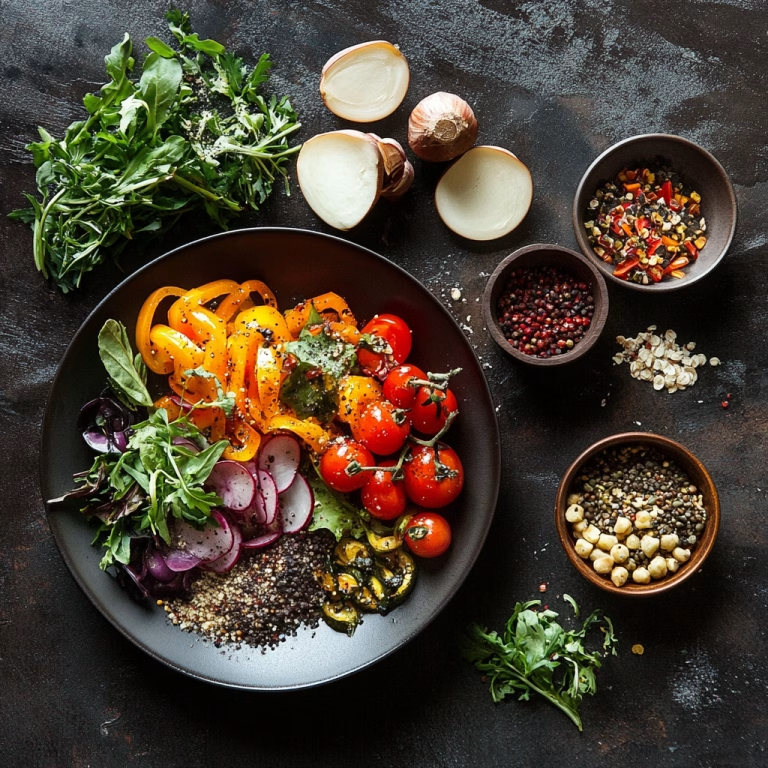
Dietary awareness matters, though it does not mean restrictive dieting. Pay attention to which foods consistently trigger your symptoms and reduce those foods during the first 4 to 6 weeks of acupressure treatment. Many people find that foods that previously triggered flare-ups become tolerable as the acupressure protocol improves gut function and reduces visceral hypersensitivity. The goal is not permanent restriction but temporary reduction while the digestive system rebalances.
Eating habits are often overlooked but significantly affect IBS. Eating too quickly, eating while stressed, eating large meals, and eating late at night all stress the digestive system. The pre-meal protocol helps prepare the gut, but also practice eating slowly, chewing thoroughly, and eating in a calm environment when possible.
Regular movement supports digestive motility and reduces stress. Walking after meals, in particular, improves gastric emptying and intestinal transit time. You do not need intense exercise; gentle, consistent movement is more beneficial for IBS than vigorous workouts, which can actually worsen symptoms in some people.
For more on digestive acupressure, see our guides to pressure points for digestion and pressure points for stomach ache.
What to Expect
IBS responds to acupressure gradually rather than dramatically. The condition developed over time through accumulated stress, dietary triggers, and nervous system dysregulation, and it resolves through the reverse process of gradually retraining the gut-brain communication.
During the first week, the most common improvement is reduced bloating and abdominal discomfort. The abdominal points (CV-12, ST-25, CV-6) often produce noticeable comfort improvements within the first few sessions. Many people also report improved sleep, which reflects the parasympathetic activation that the evening protocol creates.
Between weeks 1 and 3, bowel habit regularity typically begins improving. The frequency and urgency of diarrhea-predominant symptoms often decrease first, followed by gradual improvement in constipation patterns. The cramping intensity and frequency usually decrease noticeably during this period.
Significant improvement usually occurs between weeks 3 and 6 for most people. By this point, the gut-brain axis communication has begun to normalize, the visceral hypersensitivity has decreased, and the stress-digestive connection has weakened. Many people report being able to eat foods that previously triggered flare-ups and feeling less anxiety about their digestive function.
Long-term maintenance is important because IBS is a chronic condition that can recur with significant stress or dietary changes. A simplified daily protocol using ST-36, ST-25, and LV-3 provides ongoing support that prevents the return of severe symptoms. Most people find they can reduce from the full protocol to a maintenance routine after 6 to 8 weeks of consistent practice.
Safety Considerations
The acupressure points in this protocol are safe for people with IBS. However, there are specific considerations for abdominal acupressure.
Avoid the abdominal points (CV-12, ST-25, CV-6) during active, severe diarrhea. When the intestines are already in a hyperactive state, abdominal stimulation can temporarily increase motility. Use only the limb points (ST-36, SP-6, LV-3, LI-4) during acute diarrhea episodes, and return to the full protocol once the acute episode resolves.
Do not apply abdominal acupressure immediately after eating. Wait at least 1 hour after a meal before working the abdominal points. The pre-meal protocol should be done 10 to 15 minutes before eating, not during or after the meal.
LI-4 and SP-6 should be avoided during pregnancy. All other points in this protocol are safe during pregnancy, though abdominal pressure should be lighter during pregnancy.
If you have been diagnosed with inflammatory bowel disease (Crohn’s disease or ulcerative colitis) rather than IBS, consult your gastroenterologist before beginning abdominal acupressure, particularly during active flares. The limb points are safe regardless.
The Bottom Line
IBS is one of the most responsive conditions to acupressure because the treatment directly addresses the gut-brain axis dysregulation, stress response, and motility imbalances that drive the condition. The seven points in this protocol provide comprehensive coverage: ST-25 regulates intestinal motility, CV-12 activates vagal tone and upper digestive function, ST-36 strengthens the entire digestive system and modulates visceral sensitivity, SP-6 addresses the spleen-liver-kidney triad that underlies digestive weakness, LV-3 smooths the stress response that triggers flare-ups, CV-6 warms and energizes the lower abdomen, and LI-4 provides pain relief and large intestine regulation.
The daily protocol, combining morning digestive activation, pre-meal preparation, and evening gut-brain reset, creates the ongoing regulatory input that IBS needs to gradually normalize. Most people notice meaningful improvement within 2 to 3 weeks and significant resolution within 6 weeks of consistent practice.
Start with the morning digestive activation protocol tomorrow and notice how your digestion responds throughout the day. Adding a Pranamat acupressure mat to your evening routine accelerates the recovery by addressing the systemic stress and nervous system dysregulation that drive most IBS symptoms.
Frequently Asked Questions
What pressure point helps IBS?
ST-25 (Tianshu) is the single most effective point for IBS because it directly regulates large intestine motility and reduces bloating. For a more complete approach, combine it with ST-36 on the leg to strengthen overall digestive function and LV-3 on the foot to address the stress component that triggers most flare-ups.
How quickly does acupressure help IBS?
Bloating and abdominal discomfort often improve within the first few sessions. Bowel habit regularity typically begins improving within 1 to 3 weeks. Significant overall improvement usually occurs between weeks 3 and 6 of consistent daily practice. The acute flare-up protocol can provide noticeable relief within minutes during a symptom spike.
Can acupressure cure IBS?
Acupressure manages and significantly reduces IBS symptoms rather than curing the underlying condition. However, many people achieve what amounts to functional remission with consistent practice combined with stress management and dietary awareness. The key is ongoing maintenance, as IBS can return during periods of significant stress if the practice is abandoned entirely.
Should I do acupressure before or after eating?
Before eating is ideal. The pre-meal protocol should be done 10 to 15 minutes before meals to prepare the digestive system. Avoid abdominal acupressure for at least 1 hour after eating. The limb points (ST-36, SP-6, LV-3, LI-4) can be done at any time regardless of meals.
Is IBS related to stress?
Yes, profoundly. The gut-brain axis means that emotional stress directly affects digestive function, and IBS symptoms often worsen during stressful periods. The acupressure protocol addresses this through points like LV-3 that smooth the stress response and through the overall parasympathetic activation that the full protocol creates. Managing stress through regular acupressure practice, including sleep improvement, often reduces IBS symptoms significantly.
Can I use acupressure alongside IBS medication?
Yes. Acupressure does not interact with any medications commonly used for IBS, including antispasmodics, laxatives, anti-diarrheal agents, low-dose antidepressants, or probiotics. Many people find that consistent acupressure practice allows them to reduce their medication use over time, but any medication changes should be discussed with your healthcare provider.
Related Reading
- Pressure Points for Digestion
- Pressure Points for Stomach Ache
- Pressure Points for Stress
- Pressure Points for Anxiety
- Pressure Points for Sleep
- Acupressure Mat Benefits
Author

Free Mobile App
Find Pressure Points on the Go
Interactive 3D body map with 100+ acupressure points, step-by-step guides, and personalized routines.
Download Free App →