
Pressure Points for Digestion: 10 Points That Actually Improve How You Process Food (2026)
If your digestion has been off lately â bloating after meals, sluggish mornings, that heavy feeling that will not quit â you are not alone. And you are probably wondering if pressing on specific points on your body can actually make a difference.
I have been practicing acupressure since 2017, and digestive support has become one of my most consistent daily uses. Not because I have a chronic condition, but because travel, stress, and the reality of modern eating habits mean my digestion needs regular help. After 9 years of testing these points on myself daily, I can tell you which ones produce real, noticeable results and which ones are filler that blogs copy from each other without ever actually trying.
Let me break it all down.
How Acupressure Improves Digestion
Your digestive system runs on two things: nerve signaling and muscle contractions. The vagus nerve â the longest cranial nerve in your body â controls most of your digestive function, from stomach acid production to intestinal motility. Acupressure stimulates specific nerve pathways that influence these processes directly.
A 2021 systematic review in the Journal of Gastroenterology and Hepatology found that acupressure significantly improved functional dyspepsia symptoms including bloating, early satiety, and upper abdominal discomfort. A separate 2020 study in Complementary Therapies in Clinical Practice confirmed that acupressure at ST 36 increased gastric motility measured by electrogastrography â meaning this is not just subjective relief, but measurable physiological change.
The practical takeaway: when you press certain points, your digestive system actually responds. Stomach acid production adjusts. Intestinal contractions normalize. The smooth muscles that move food through your system start working more efficiently.
The 10 Best Pressure Points for Digestion
1. ST 36 (Zusanli) â The Master Digestive Point
Where it is: Four finger-widths below your kneecap, one finger-width to the outer side of your shinbone. Flex your foot and feel for a small muscle that pops â the point is right there.
Why it works: ST 36 is the single most researched acupressure point for digestive health. It stimulates gastric motility, regulates stomach acid production, activates the vagus nerve, and strengthens overall digestive function. In Traditional Chinese Medicine, it is called the “point of a hundred diseases” because of its broad therapeutic effects. For digestion specifically, it addresses everything from slow transit to excess gas.
How to use it: Press firmly with your thumb, angling slightly toward the shinbone. Use small circular motions for 60 to 90 seconds per leg. You should feel a distinct deep ache â that means you are in the right spot.
I start every digestive acupressure session with this point. It is the foundation everything else builds on.
2. CV 12 (Zhongwan) â The Stomach Center Point
Where it is: On the midline of your abdomen, halfway between your belly button and the bottom of your breastbone â about four finger-widths above your navel.
Why it works: CV 12 sits directly over the stomach organ. It is the Front-Mu point of the stomach in TCM, which means it is where the stomach’s energy gathers on the front of the body. Pressing here stimulates the gastric nerve plexus, which helps regulate stomach acid, relieve upper abdominal discomfort, and address the feeling of food sitting like a brick after meals.
How to use it: Lie down on your back. Place two or three fingers on the point and press gently â this area can be sensitive when your digestion is already struggling. Use slow, steady pressure for 60 seconds. Increase pressure gradually as the discomfort eases.
Important: Wait at least 30 minutes after eating before pressing this point firmly.
3. ST 25 (Tianshu) â The Intestinal Regulator
Where it is: Three finger-widths to either side of your belly button, at the same horizontal level.
Why it works: ST 25 is the Front-Mu point of the Large Intestine. It directly regulates intestinal function, making it the go-to point for constipation, diarrhea, and irregular bowel movements. It addresses both excess and deficiency patterns â so it helps whether things are moving too fast or not moving at all. For general digestive improvement, this point normalizes transit time.
How to use it: Lie down and place your fingers on both points simultaneously â one on each side of your navel. Press gently but firmly for 60 to 90 seconds. Use slow circular motions in a clockwise direction. This follows the natural direction of your colon and supports healthy peristalsis.
4. SP 6 (Sanyinjiao) â The Three Yin Meeting Point
Where it is: Four finger-widths above the inner ankle bone, just behind the shinbone.
Why it works: SP 6 is where three meridians converge â the Spleen, Liver, and Kidney meridians. For digestion, it strengthens the spleen’s ability to transform and transport nutrients. When your digestion feels sluggish, heavy, or waterlogged â like everything is just sitting there â SP 6 gets things moving again. It is particularly effective for post-meal bloating accompanied by fatigue.
How to use it: Press firmly with your thumb into the depression behind the shinbone. Hold for 60 to 90 seconds per leg. This point can be quite tender â start with moderate pressure and increase gradually.
Important: Do not use this point if you are pregnant, as it can stimulate uterine contractions.
5. PC 6 (Neiguan) â The Anti-Nausea Point
Where it is: On the inside of your forearm, about three finger-widths above your wrist crease, between the two tendons you can feel when you flex your wrist.
Why it works: PC 6 is the most well-studied acupressure point for nausea and is directly relevant to digestion because nausea often accompanies digestive dysfunction. It modulates signals to the brain’s vomiting center through the median nerve. Multiple randomized controlled trials have confirmed its effectiveness. This is the same point targeted by anti-nausea wristbands.
How to use it: Press firmly between the two tendons with your opposite thumb. Hold steady pressure for 60 seconds, then release for 30 seconds, then press again. Repeat for 2 to 3 minutes. For digestive nausea after meals, this often provides relief within the first minute.
6. LI 4 (Hegu) â The General Pain Relief Point
Where it is: In the fleshy web between your thumb and index finger, at the highest point when you squeeze them together.
Why it works: LI 4 is on the Large Intestine meridian and promotes peristalsis â the wave-like contractions that move food through your digestive tract. It triggers a broad endorphin release that reduces pain perception and helps with intestinal cramping. For digestion specifically, it is most useful when sluggish digestion comes with abdominal discomfort or cramping.
How to use it: Squeeze firmly between your thumb and index finger of the opposite hand. Hold for 45 to 60 seconds per hand. Combined with ST 36, this is a powerful pair for improving overall digestive motility.
Important: Avoid during pregnancy.
7. CV 6 (Qihai) â The Sea of Energy Point
Where it is: About two finger-widths directly below your belly button.
Why it works: CV 6 is called the “Sea of Qi” because it is considered a primary energy center for the entire body. For digestion, it strengthens the overall vital energy that powers your digestive process. When digestion fails because of general fatigue or depletion â like when you have been sick, overworked, or simply run down â CV 6 helps restore the energy your digestive system needs to function properly. It also regulates the parasympathetic nervous system, which controls “rest and digest” functions.
How to use it: Place two fingers on the point and press gently inward. Hold steady pressure for 60 to 90 seconds. Breathe deeply and slowly while pressing â this amplifies the parasympathetic response.
8. LV 3 (Taichong) â The Stress-Digestion Connector
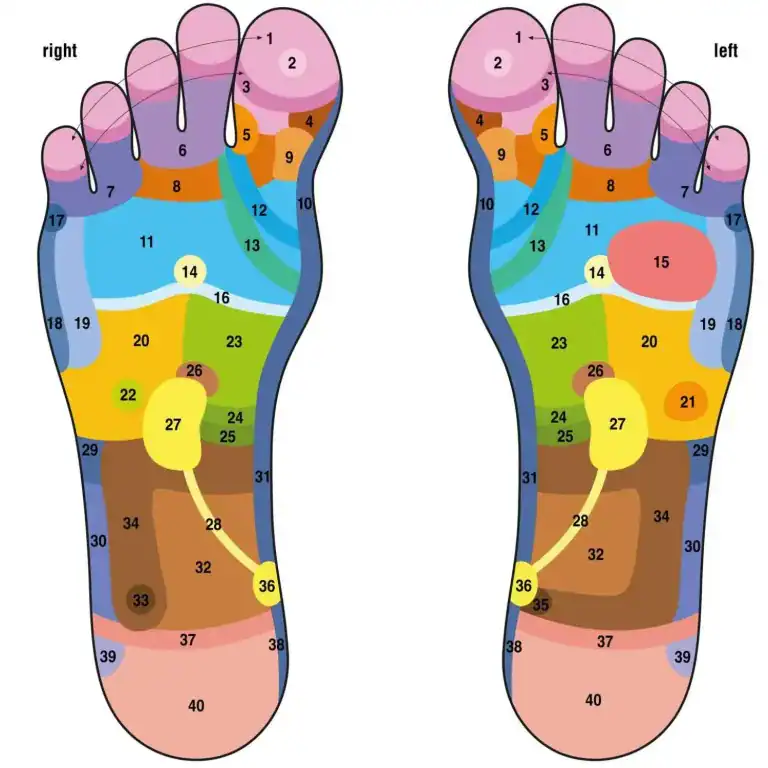
Where it is: On the top of your foot, in the depression where the bones of your big toe and second toe meet, about two finger-widths up from the web between them.
Why it works: In TCM, one of the most common causes of digestive problems is Liver Qi stagnation. When you are stressed, frustrated, or emotionally wound up, your Liver energy stagnates and invades the stomach and spleen â causing bloating, acid reflux, pain, and irregular digestion. LV 3 releases that stagnation. In modern terms, it helps regulate the stress response that disrupts digestive function.
How to use it: Press firmly into the depression between the bones using your thumb. Hold for 60 seconds per foot. This point is often quite tender, which usually indicates it needs the most attention.
If your digestion worsens during stressful periods, LV 3 should be part of your daily routine.
9. SP 4 (Gongsun) â The Bloating and Gas Point
Where it is: On the inner edge of your foot, in the depression behind the base of your big toe’s metatarsal bone â the large bump on the inside of your foot.
Why it works: SP 4 connects the Spleen meridian and opens the Chong vessel, which influences the entire digestive system. It is particularly effective for bloating, gas, and that uncomfortable feeling of food sitting in your stomach without moving. It helps with acid reflux and addresses the nausea that comes from an overly full stomach.
How to use it: Press with your thumb into the arch of your foot at this point. Hold for 60 seconds per foot. This pairs exceptionally well with PC 6 â in classical acupuncture, they are used together as a powerful digestive combination.
10. ST 44 (Neiting) â The Stomach Heat Point
Where it is: On the top of your foot, in the web between your second and third toes, right where the skin changes color at the junction.
Why it works: ST 44 clears excess heat from the stomach. In practical terms, this means it is the best point for acid reflux, burning stomach pain, excessive hunger, bad breath caused by digestive issues, and gum inflammation. When your digestion is overactive rather than underactive â too much acid, too much heat â ST 44 calms it down.
How to use it: Press firmly into the web between the toes with your index finger. Hold for 45 to 60 seconds per foot. This point can be quite sensitive.
This is honestly one of the biggest hidden differences in digestive acupressure. Most guides skip it because it is less well-known, but for anyone with acid-related digestive issues, ST 44 is essential.
A Daily Digestive Support Routine (7 Minutes)
Here is the routine I use most mornings to keep my digestion running smoothly:
Step 1 (90 seconds): Press ST 36 on both legs â 45 seconds per side. This activates your entire digestive system.
Step 2 (60 seconds): Press CV 12 gently while lying down. Wakes up the stomach.
Step 3 (60 seconds): Press ST 25 on both sides of your navel simultaneously. Clockwise circles. Normalizes intestinal function.
Step 4 (60 seconds): Press LI 4 on both hands â 30 seconds per side. Promotes peristalsis.
Step 5 (60 seconds): Press SP 6 on both legs â 30 seconds per side. Strengthens the spleen’s digestive function.
Step 6 (60 seconds): Press LV 3 on both feet â 30 seconds per side. Releases stress that blocks digestion.
Step 7 (30 seconds): Press CV 6 while taking three deep breaths. Seals in the parasympathetic response.
Seven minutes. I do this before breakfast, and the difference in how I digest my first meal of the day is noticeable. On days I skip it, I can tell.
Using an Acupressure Mat for Digestive Support
An acupressure mat is primarily known for back pain, but it has a direct benefit for digestion that most people overlook. When you lie on the mat, the thousands of pressure points stimulate your parasympathetic nervous system, shifting your body into “rest and digest” mode. This is the state your body needs to be in for optimal digestion.
I have been using my Pranamat almost every evening since 2017. The digestive benefit was something I discovered by accident â I originally got it for my back. But after about two weeks of consistent evening use, I noticed my post-dinner bloating had decreased significantly and my morning digestion was more regular.
For digestive support specifically, try 15 to 20 minutes on the mat in the evening after your last meal. The combination of parasympathetic activation and endorphin release creates ideal conditions for your digestive system to do its work overnight.
What Research Says About Acupressure and Digestion
The evidence for acupressure’s digestive benefits has grown substantially in recent years:
- A 2021 meta-analysis in Evidence-Based Complementary and Alternative Medicine found acupressure significantly improved constipation symptoms including stool frequency and consistency.
- A 2020 randomized controlled trial showed that acupressure at ST 36 increased gastric motility by 40% compared to sham acupressure.
- A 2019 systematic review in Complementary Therapies in Medicine confirmed acupressure effectively reduces nausea from multiple causes, including post-operative and chemotherapy-induced nausea.
- Multiple studies have shown PC 6 stimulation reduces postprandial nausea and improves gastric emptying rates.
The mechanism is straightforward: specific acupressure points activate nerve pathways that regulate gastric motility, acid secretion, and smooth muscle contractions throughout the digestive tract.
Foods and Habits That Support Better Digestion
Acupressure works best when combined with basic digestive hygiene:
- Eat slowly and chew thoroughly. This is the single most impactful habit for digestion. Chewing breaks food into smaller particles and mixes it with salivary enzymes, reducing the workload on your stomach.
- Avoid ice-cold drinks with meals. Very cold beverages can cause stomach muscle cramping and slow digestion in sensitive individuals.
- Walk after eating. Even 10 minutes of gentle walking stimulates peristalsis and helps prevent that heavy, stagnant feeling.
- Eat your largest meal when your digestive energy is strongest. In TCM, stomach energy peaks between 7 and 9 AM. In practical terms, most people digest better earlier in the day than late at night.
- Manage stress actively. Your gut has more neurons than your spinal cord. Chronic stress directly impairs digestive function through the gut-brain axis.
When to See a Doctor Instead
Acupressure is excellent for functional digestive issues â bloating, mild constipation, irregular digestion, post-meal discomfort. It is not a substitute for medical care if you have:
- Persistent blood in your stool or vomit
- Unexplained weight loss with ongoing digestive symptoms
- Severe abdominal pain that does not improve within a few hours
- Difficulty swallowing that is getting worse
- Persistent vomiting lasting more than 24 hours
- Symptoms that have persisted for more than two weeks without improvement
- New digestive symptoms after age 50 that have not been evaluated
These could indicate conditions like ulcers, celiac disease, inflammatory bowel disease, or other conditions that need medical diagnosis and treatment.
The Bottom Line
Digestion is one of the areas where acupressure makes the most noticeable, consistent difference. The 10 points in this guide cover every major digestive issue â from sluggish motility and bloating to acid reflux and stress-related gut dysfunction.
Start with ST 36 and CV 12. Those two points alone address the majority of common digestive complaints. Add ST 25 for intestinal regularity, LV 3 if stress is disrupting your digestion, and ST 44 if acid is your main problem.
I have been using these points since 2017, and the daily 7-minute routine has become as automatic as brushing my teeth. It does not replace eating well and managing stress, but it gives your digestive system consistent support that compounds over time. And if you want broad parasympathetic activation without having to remember individual points, an acupressure mat used in the evening handles that beautifully.
FAQ
What is the best pressure point for improving digestion?
ST 36, located four finger-widths below your kneecap on the outer side of the shinbone, is the most effective single point for digestion. It stimulates gastric motility, regulates stomach acid, and activates the vagus nerve. Research has shown it increases measurable gastric motility by up to 40%. Press it for 60 to 90 seconds per leg for best results.
Can acupressure help with constipation?
Yes. ST 25 (three finger-widths beside the belly button) and ST 36 are the two most effective points for constipation. ST 25 directly regulates intestinal function and promotes peristalsis. Press both ST 25 points simultaneously in clockwise circles for 90 seconds, then follow with ST 36 on both legs. A 2021 meta-analysis confirmed acupressure significantly improves stool frequency and consistency.
How long does it take for acupressure to improve digestion?
For acute symptoms like post-meal bloating or nausea, relief typically comes within 2 to 5 minutes of pressing the right points. For chronic digestive improvement, daily practice for two to three weeks usually produces noticeable changes. Consistency matters more than duration â a 7-minute routine done daily outperforms a 30-minute session done occasionally.
Should I do acupressure before or after eating?
For most points, either timing works. However, avoid pressing CV 12 (upper abdomen) firmly within 30 minutes of a large meal. ST 36 and LI 4 can be pressed at any time. For digestive optimization, the best practice is a morning routine before breakfast to prepare your system, and evening use of an acupressure mat after your last meal to support overnight digestion.
Can acupressure help with acid reflux?
Yes. ST 44 (between the second and third toes), PC 6 (inner wrist), and CV 12 are the three most effective points for acid reflux. ST 44 clears excess stomach heat, PC 6 calms upward stomach energy, and CV 12 regulates acid production. Use these points 30 minutes after eating for best results.
Is it safe to use acupressure for digestion every day?
Yes. Daily acupressure for digestion is safe for most people and actually produces better results than occasional use. The main exceptions are pregnancy (avoid SP 6, LI 4, and LV 3), active internal bleeding, and areas with skin wounds or inflammation. If you have a diagnosed gastrointestinal condition, consult your healthcare provider before starting a daily acupressure practice.
Can an acupressure mat help with digestive issues?
An acupressure mat supports digestion primarily through parasympathetic nervous system activation â shifting your body into “rest and digest” mode. Lying on the mat for 15 to 20 minutes in the evening stimulates broad relaxation and endorphin release, which creates optimal conditions for digestion. It is particularly effective for stress-related digestive issues and evening bloating.
Related Reading
- Pressure Points for Stomach Ache: 9 Points That Actually Calm Your Gut
- Digestive Pressure Points: What Actually Works
- Acupressure Mat Benefits: 10 Science-Backed Reasons to Try One
- Pressure Points for Stress
- Do Acupressure Mats Work?
Author

Free Mobile App
Find Pressure Points on the Go
Interactive 3D body map with 100+ acupressure points, step-by-step guides, and personalized routines.
Download Free App →